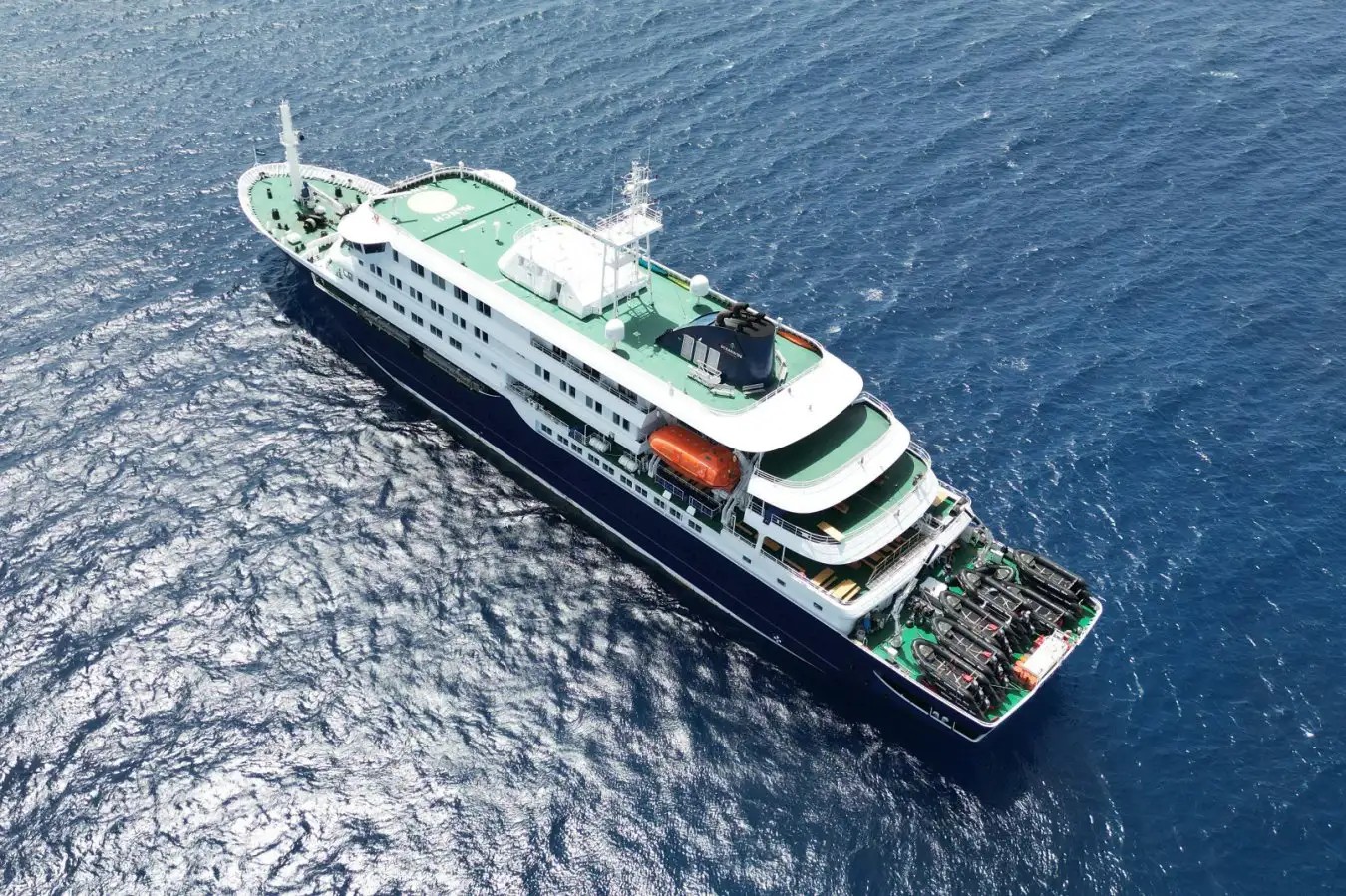
Three passengers aboard the Antarctic cruise ship MV Hondius have died from a suspected hantavirus infection, prompting the evacuation of three additional suspected cases to medical facilities in the Netherlands. The incident has triggered a public health investigation into how a rodent-borne virus, rarely known for human-to-human transmission, spread among passengers during a journey spanning the South Atlantic and remote islands.
The ship, which departed Ushuaia, Argentina, on April 1, visited Antarctica, South Georgia, Nightingale Island, Tristan da Cunha, Saint Helena, and Ascension Island. Two deaths occurred on board, while a third passenger died in South Africa shortly after disembarking at Saint Helena. A British national remains in intensive care in Johannesburg, and a Swiss passenger who left the ship in late April has tested positive for the virus. Meanwhile, two asymptomatic British passengers are self-isolating under guidance from the UK Health Security Agency.
Identifying the Virus: The Andes Strain
Hantaviruses are a family of viruses primarily carried by rodents. Infection typically occurs when humans come into contact with rodent urine, droppings, or saliva, often through inhalation of aerosolized particles in contaminated environments. However, the strain identified in this outbreak—the Andes virus —is distinct because it is one of the few hantaviruses capable of spreading from person to person.
- In the Americas: Hantaviruses like the Andes virus cause Hantavirus Cardiopulmonary Syndrome (HCPS), a severe respiratory illness with a mortality rate of up to 50%.
- In Europe and Asia: Different strains cause Hemorrhagic Fever with Renal Syndrome (HFRS), which primarily affects the kidneys and blood vessels.
South Africa’s National Institute for Communicable Diseases confirmed that two disembarked passengers tested positive for the Andes virus. This confirmation is critical because it shifts the focus from typical environmental exposure to the possibility of secondary transmission among close contacts.
Symptoms and Progression
The early signs of hantavirus infection are often non-specific and flu-like, including:
* Fever
* Muscle aches
* Headaches
* Gastrointestinal distress
For those who develop HCPS, the condition can rapidly progress to severe respiratory failure. Diagnosis requires specialized blood tests, as initial symptoms mimic other common viral illnesses. This delay in identification can complicate containment efforts, particularly in closed environments like cruise ships.
How Did It Spread?
Traditionally, hantavirus is not considered contagious between humans. Infection usually results from exposure to rodent-infested areas, such as food storage rooms, cabins, or poorly ventilated spaces. Activities like cleaning, farming, or forestry work increase risk due to potential contact with contaminated materials.
However, the Andes virus presents an exception. According to the World Health Organization (WHO), human-to-human transmission is documented but uncommon. It typically requires:
1. Close and prolonged contact (e.g., household members or intimate partners).
2. Early phase of illness, when viral load is highest.
“The fact that cases have been identified in people associated with the same vessel does not by itself tell us whether exposure occurred on the ship, before boarding, during shore excursions, or through some other shared environmental exposure,” said Roger Hewson from the London School of Hygiene & Tropical Medicine.
Why This Outbreak Matters
This incident highlights the complexities of tracking diseases in global travel networks. While hantavirus is endemic in certain regions, its appearance on a cruise ship raises questions about biosecurity and hygiene protocols in confined spaces.
Adam Taylor from Lancaster University notes that public alarm is unnecessary, emphasizing that transmission usually requires direct contact with animal bodily fluids rather than casual human interaction. Nevertheless, the outbreak underscores the importance of:
* Rigorous public health investigations.
* Laboratory confirmation and virus sequencing to trace the source.
* Enhanced sanitation measures in shared living spaces.
Precautions are currently being implemented on the MV Hondius to minimize further risk. As investigations continue, the focus remains on determining whether the initial exposure occurred on the ship or during prior travels, ensuring that future outbreaks can be prevented through targeted interventions.