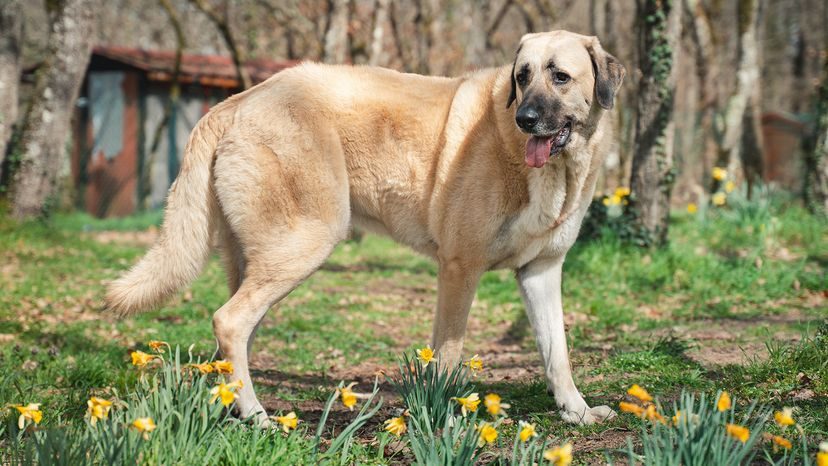
You see the photos. Massive dogs. Thick coats. Eyes that look like they’ve seen everything and judged most of it. Farmers love them. Breeders argue over them. The debate usually boils down to one question: is the Anatolian Shepherd vs. Kangal distinction just semantics, or are we looking at two completely different animals?
It’s not just semantics.
These dogs share DNA, geography, and a job description that hasn’t changed in thousands of years. They guard livestock. They kill wolves. They don’t care about your feelings. But if you look closer, the lines blur in places and sharpen in others. Understanding the split between the American Kennel Club’s “Anatolian Shepherd” and the Turkish “Kangal” matters. It affects how you buy one, how you train one, and whether you end up with a gentle giant or a loose cannon.
Where the Names Come From and Why It Matters
First, let’s clear up the geography. These dogs come from Turkey. Specifically, the Anatolia region. That’s where the name “Anatolian Shepherd” comes from. It’s a broad label. In the US, the AKC uses it to cover a type of dog. In Turkey, they are more specific.
The Kangal is a specific breed recognized by the Turkish government. It comes from the Sivas province. The town of Kangal is the heart of it. When Turks say Kangal, they mean that dog. The one from that place.
The confusion starts when you export them.
“The name ‘Anatolian Shepherd’ is often used as a blanket term for livestock guardian dogs from Turkey, but it hides the specific lineage of the Kangal.”
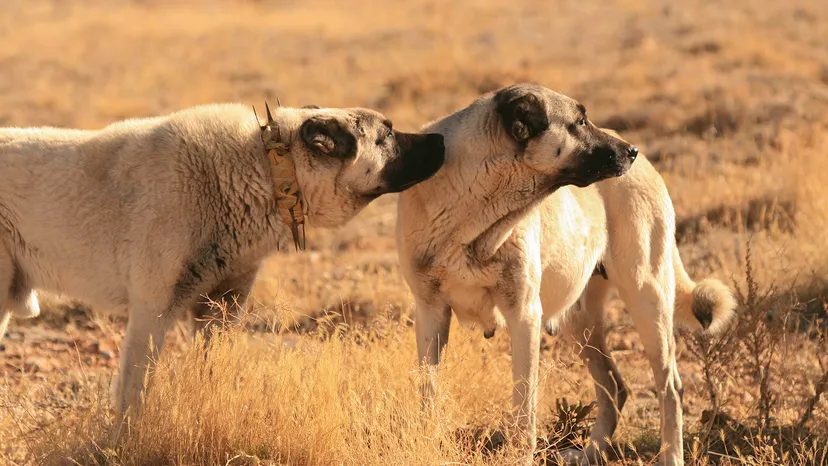
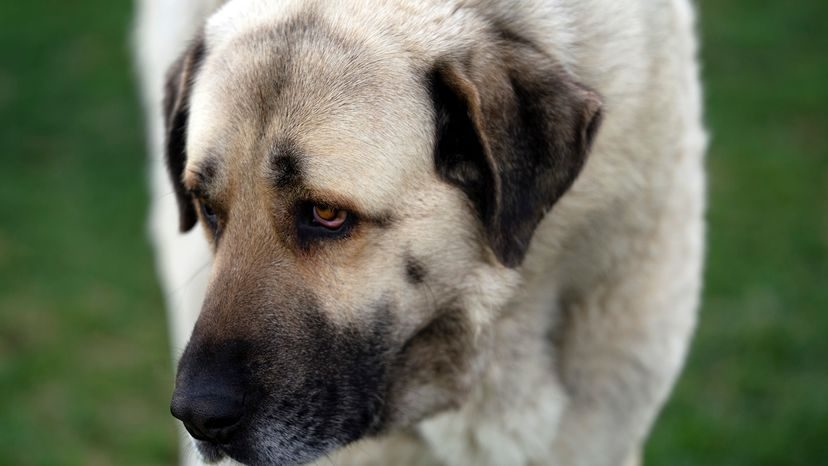
In the US, the breed standard for the Anatolian Shepherd allows for more variation in color and size. You’ll see blues, fawns, whites, and brindles. The Kangal standard is stricter. It’s usually a fawn or tan coat with a distinct black mask. The black muzzle isn’t just for show; it’s a breed hallmark.
So, which one do you want? If you want the traditional working dog from Sivas, with the specific look and temperament bred for centuries in that valley, you’re looking for a Kangal. If you want the Americanized version, bred for show or companionship with looser standards, you’re getting an Anatolian Shepherd.
The difference isn’t just aesthetic. It’s about intent.
How Their Looks and Builds Diverge
Let’s talk size. Both are big. Really big.
A Kangal male can tip the scales at 140 to 170 pounds. Some go higher. They are tall, too. Shoulder height often hits 30 inches or more. They are built for speed and endurance, not just brute strength. They have to chase down predators, not just stand there and look scary.
The Anatolian Shepherd in the US tends to be slightly smaller, though still substantial. The AKC standard allows for a bit more leeway in bone structure and coat length. You might see a fluffier dog. A dog with less muscle definition.
Why does this matter?
Because a loose cannon is dangerous. A lean, athletic dog is efficient. The Kangal

Why the Name Confusion Exists
Here is the thing people get wrong. They think the Anatolian Shepherd and the Kangal are two completely different species of dog. They aren’t.
Both trace their lineage to Turkey. Both were bred for one job: protecting livestock from wolves. The difference is geography and bureaucracy. The Kangal gets its name from the Kangal district in the Sivas province. The Anatolian Shepherd is named after the broader Anatolian region.
The American Kennel Club sees the Anatolian Shepherd as a distinct breed. Other international clubs classify the Kangal separately. But if you go to Turkey, locals see them as regional variations of the same dog. It’s a split based on where you stand, not necessarily how the dog operates.
Which Dog Has the Standard Look?
If you want predictability, look at the Kangal.
These dogs are large. Muscular. They have a standardized appearance that kennel clubs love. You’ll see a broad head, a short double coat, and that signature black mask on the muzzle. It’s a specific look. Rigid, almost.
The Anatolian Shepherd is looser in definition. They carry that same muscular build but vary more in coat color and length. Their double coat is medium-length, with coarse top fur and a dense undercoat. Some Anatolians look exactly like Kangals. When they do, they’re sometimes called Anatolian Karabash.
The Kangal is generally larger and more uniform in appearance than its Anatolian cousin.
How Temperament Differs in the Field
Both breeds are guardians. Both are intelligent. But the vibe is different.
The Kangal is intense. Focus is its middle name. When it’s guarding sheep, it locks in. That intensity makes it a top-tier working dog, but it demands a handler who understands that laser focus.
The Anatolian Shepherd tends toward independence. It’s still protective. It’s still smart. But it might decide what needs protecting on its own terms.
Neither breed is a couch potato. They need mental stimulation. Early socialization is non-negotiable. If you don’t expose them to humans, cats, and other pets early on, you’re asking for trouble. They become well-rounded companions only if you put in the work.
Health and Care Realities
You can’t just buy these dogs and hope for the best.
Both breeds are robust, but size brings its own set of issues. Hip dysplasia is a common concern for large, muscular dogs. Elbow dysplasia follows close behind.
Because of their double coats, shedding is heavy. Regular grooming keeps the mess manageable. More importantly, regular exercise keeps their minds sharp. A bored guardian is a destructive guardian.
Feeding them requires quality nutrition to support that muscle mass. Don’t skimp on protein. Their metabolism needs fuel.
And let’s be clear about one thing. These are not pets for first-time owners. They require consistent training. They require boundaries. If you treat them like a Golden Retriever, they will teach you otherwise.
Health checks and longevity for Anatolian Shepherds and Kangals
Big dogs carry big baggage. Hip dysplasia is the usual suspect. Both breeds face this joint issue with some regularity. You can’t ignore it. Their coats add another layer of maintenance. Thick double coats trap dirt. They blow out during seasonal changes. Brushing becomes a chore. A necessary one. If you let it slide, you’ll find hair everywhere.
Lifespan numbers look similar on paper. Kangals typically hit 12 to 15 years. The Anatolian Shepherd runs a close race. Good care extends that window. Bad care shrinks it. Genetics matter. So does vet access.
Are Anatolian Shepherds and Kangals actually the same breed?
Here is the friction point. People mix them up. They look alike. They come from the same soil. But experts draw a line. Most agree these are two distinct breeds. They share ancestry. They do not share a pedigree standard.
The confusion stems from geography. Both originate in Turkey. Both guard livestock. But the traits diverge. Temperament shifts. Coat textures vary. Size standards differ. Calling them the same is lazy. It ignores the nuance.
Which Turkish livestock guardian fits your life?
You need to pick a path. Are you guarding sheep? Do you want a dog with a heavy temperament? Or are you just admiring the breed from afar?
The Kangal brings specific weight. Literally and figuratively. The Anatolian Shepherd offers slightly different energy. Both demand respect. Neither is a house pet. They are working machines. Loyalty runs deep. Courage is baked in. Love for the owner is absolute.
But they require space. They require job definition. Without work, they spin. With it, they anchor.
These dogs stand out for their courage, loyalty, and love for their owners.
Choose based on reality. Not romance.