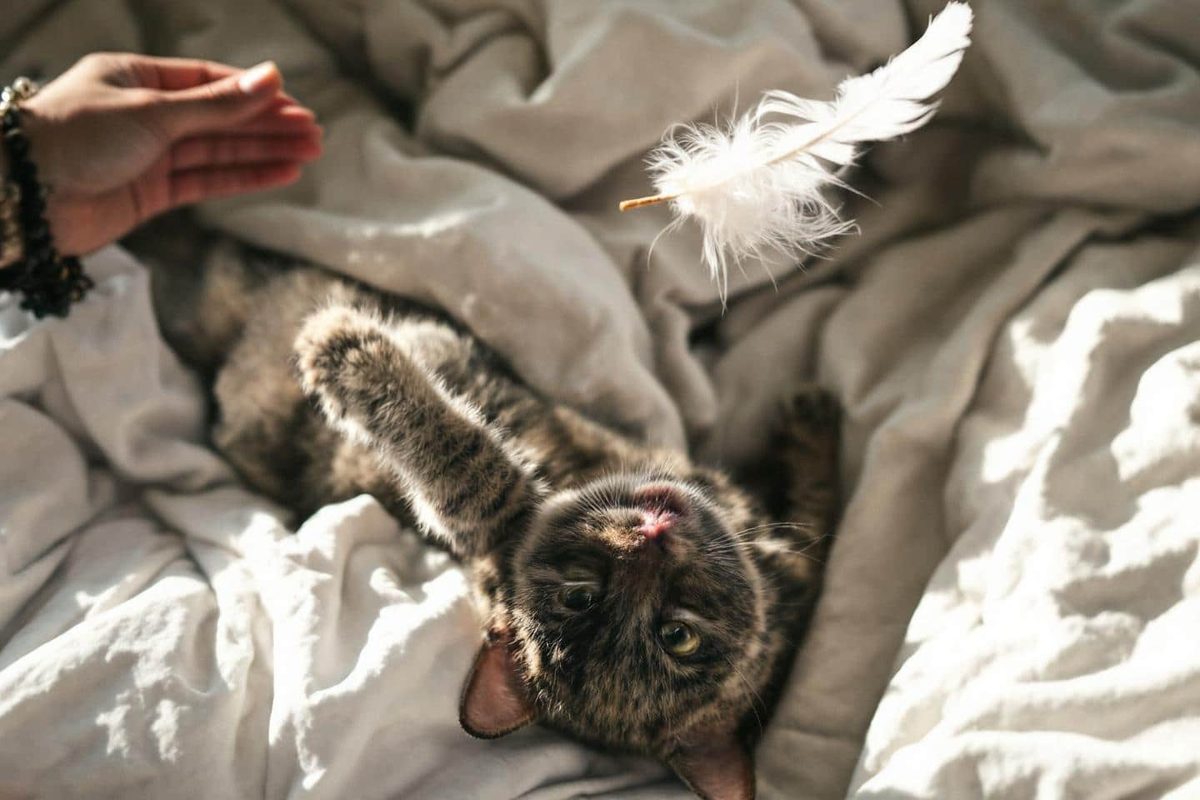
They are your best friends during the day. They purr. They knead. They demand food with innocent eyes. But the moment you slide under the covers? The illusion shatters. Your sweet companion transforms into a tiny, furry predator with claws drawn and teeth sharpened, specifically targeting your exposed feet.
Autumn brings longer nights. It brings the irresistible urge to burrow under heavy blankets. But for your cat, a warm duvet isn’t a comfort zone. It’s an invitation to a nocturnal safari. Your feet move beneath the fabric. They twitch. They shift. To a hunter, even a house cat, this is an irresistible signal. Why does this happen? And how do you get your sleep back without losing your mind?
Here is how to end the eternal contest of “who is the sneakiest cat” and reclaim your peaceful nights.
Understanding the Instinct Behind Nighttime Ambushes
The Bedsheet as a Hunting Ground
Under the duvet, your feet are not just limbs. They are moving prey. They flinch. They shift weight. For a predator with deep-seated instincts, this movement is impossible to ignore. Even if your cat has traded the savanna for a cozy Parisian apartment, that hunter’s brain is still wired for the chase. The blanket turns your legs into a dynamic target. Every sudden movement is a trigger. The placid cat you saw at noon vanishes, replaced by an instinct-driven stalker.
Boredom Fuels the Chaos
If your cat sleeps all day, they have nowhere to put that energy. As autumn sets in, days get shorter. Cats spend more time indoors. Without sufficient daytime stimulation, they improvise. They don’t attack your feet out of malice. They do it out of basic necessity to play and release pent-up energy.
Boredom is the primary driver here. An under-stimulated cat will create their own entertainment. Your calves are the most accessible props in the room.
Reading the Warning Signs
You can often predict the attack before it happens. Look for the classic “hunter’s gaze.” Ears pinned back. Pupils dilated. Tail twitching rapidly. These are not signs of affection. They are warnings. Once you see this look, the assault is imminent. You can choose to dodge, or you can prepare to intervene.
Turning Your Home into a Daytime Play Paradise
The solution isn’t to punish the cat. It’s to exhaust them.
Interactive Toys to Channel Energy
A cat that plays well during the day is a cat that sleeps well at night. This sounds simple, but it requires strategy. Use bells balls. Fishing rod toys. Hanging feathers. Mechanical mice.
Varying the toys keeps the cat interested.
For apartment cats, this is even more critical. They lack the space to run. They need daily mental challenges to avoid pacing the floor. Don’t just leave a single toy out. Rotate them. Keep the novelty alive.
Establish Afternoon Hunt Rituals
Here is the secret: schedule a real “hunt” session every afternoon.
You don’t need hours. A few minutes of intense play are enough, but spreading these sessions throughout the day works best. Use toys that mimic fleeing prey. Let the cat chase, pounce, and catch. This satisfies their natural instinct before they climb into your bed at night.
Capital Tip for October: As we settle into our cozy autumn routines, use every chance to engage in hunt-style play. It channels all that accumulated energy before your feet become the nocturnal outlet.
Smart Home Setup
An enriched environment means a mentally satiated cat. Hide treats inside tunnels. Set up varied scratching posts. Scatter cardboard boxes around the house.
Leave one or two toys out at night. This gives the cat a target that isn’t your extremities—or your new socks.
Adopting Reflexes for Quiet Nights
Reward Calmness, Ignore Attacks
When the cat attacks under the covers, do not react. This is the hardest rule to follow. It is frustrating. It hurts. But reacting—whether by yelling or pulling away—teaches the cat that this behavior gets a response. It provides the attention they crave.
Instead, ignore the ambush. If you wake up to a peaceful morning, reward it. A caress. A treat. Reinforce the good behavior.
Adjust Your Bedtime Routine
Play is the key to sleep. A final burst of energy right before bed, followed by a meal of wet food or kibble, helps calm your cat. The meal contributes to a feeling of fullness. It signals that the day is over.
Aligning post-play fatigue with bedtime is the guarantee of waking up at the right time.
You want the cat to be tired when you are. Not when you are trying to work or watch TV.
Redefining Co-Sleeping
Making cohabitation under the duvet a moment of peace requires a shift in setup. Place a small blanket or a dedicated cushion at the foot of the bed. This invites the cat to curl up there rather than hunting under the sheets.
Reassure the cat with gentle gestures, without exciting them further.
Over time, they will understand that the bedroom at night is for relaxation, not for an intense chase.
The Outcome
By turning the day into a playground and the night into a sanctuary, you regain the joy of cozy autumn evenings. You stop fearing that sneaky paw. An afternoon hunt gives the cat the adventure their instincts demand. You preserve the peace of your nights.
It’s not about breaking their spirit. It’s about redirecting it. Your feet will remain safe. Your sleep will return. And the cat? They’ll still be cute in the morning. Just maybe a little tired.