You’ve heard the rumor. Slugs have four noses.
It sounds like a biology prank. A piece of internet folklore designed to make you pause while peering at a garden mollusk. But strip away the joke, and you find a biological reality that is arguably more impressive than our own singular snout.
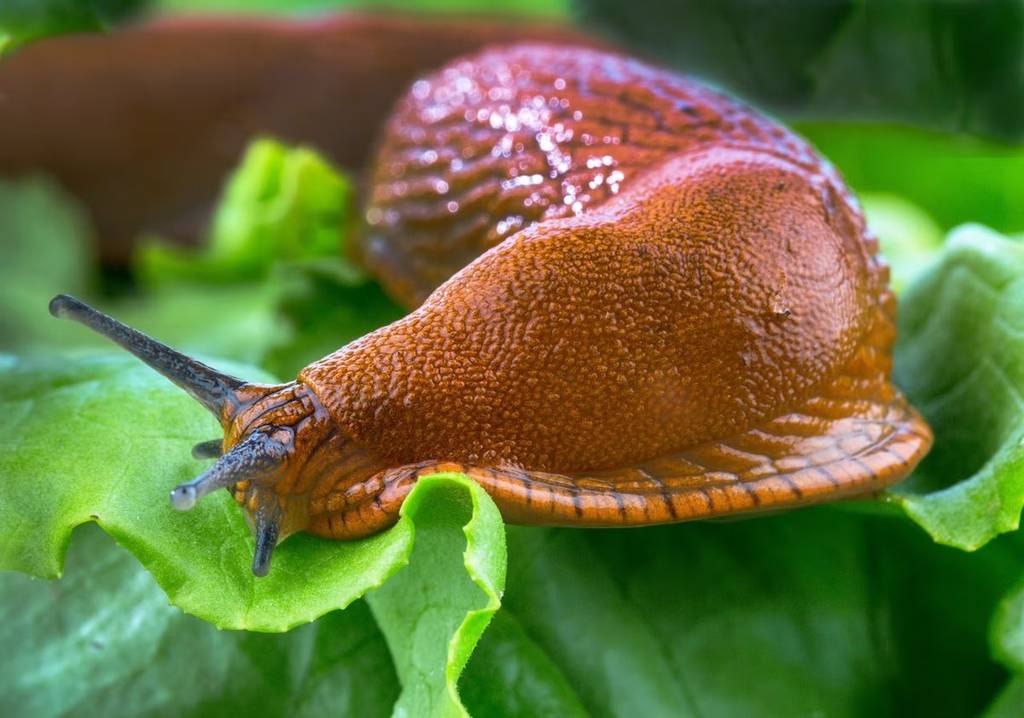
If you look closely at a slug’s head, you won’t see a single nose. You’ll see two pairs of tentacles. Two long ones standing tall. Two shorter ones pointing down or forward. This anatomy isn’t random. It’s a highly specialized sensory station that allows these slimy survivors to navigate, eat, and mate in environments that would blind or starve most other creatures.
So, do they have four noses? Not in the human sense. But they do have a multi-functional sensory system that dwarfs our own.
The Anatomy of Four “Nozes”
The phrase “four noses” is catchy. It’s shorthand for a complex truth. It refers to the four tentacles on a slug’s head. But calling them noses is misleading if you think of noses as just smell detectors.
Let’s break down the hardware.
The upper pair is longer. At the tip of each sits a simple eye. These aren’t HD cameras. They can’t see fine details. What they do see is light, shadow, and movement. They act as early warning systems. If a shadow falls, the slug knows something is overhead. If the light changes, it knows day is turning to night.
The lower pair is shorter. These are the real workhorses. They are covered in sensory cells that detect chemicals. This is olfaction. This is touch. This is how the slug “smells” its world.
So, the upper tentacles handle vision and orientation. The lower ones handle smell and taste. It’s a division of labor that maximizes efficiency.
The expression “four noses” stuck in common language because it captures the sheer power of a slug’s olfactory ability. But to a malacologist, these are multifunctional control stations.
Vision, Smell, and the Hidden Fifth Sense
Each pair of tentacles has a job. They work in tandem.
The upper tentacles are retractile. Threatened? They snap back instantly, like a periscope diving into a submarine. This protects the eyes. More importantly, they help the slug orient itself. They guide the animal toward shade, moisture, and food. They keep the slug safe from desiccation and predators.
The lower tentacles are dedicated to exploration. They detect molecules in the air and on the ground. This is how a slug finds rotting leaves, fungi, or those tender garden shoots. It’s also how they find mates.
Slugs are hermaphrodites. They need to find each other. They don’t walk up and say hello. They follow chemical trails. Pheromones. The lower tentacles pick up these scent signatures, allowing slugs to communicate and reproduce across complex terrain.
But wait. There’s more.
Near the mouth, slugs have another organ called the osphradium. It acts like a taste bud for the ground. As the slug moves, it “tastes” the substrate. Some experts argue this makes it a fifth olfactory organ. It adds redundancy. If one sensor fails, another takes over. It’s a fail-safe built into the anatomy.
Why This Setup? Survival in the Dark
Why evolve such a complex system?
Slugs are nocturnal. Crepuscular. They live in the shadows. Under leaves. In the soil. Under stones.
In this dark world, sight is secondary. You don’t need to see a leaf to know it’s there. You need to smell it. You need to feel the humidity. You need to know if a bird is coming.
Their simple eyes are enough for light detection. But to find food? You need smell. Slugs are detritivores. They eat decaying matter. It’s scattered. It’s hidden. Smell is the only way to track it down over distance.
Having multiple olfactory organs offers backup. It’s redundancy.
It’s also about communication. The pheromone trails are invisible highways. The lower tentacles read them. This system allows slugs to thrive in hostile environments where visibility is near zero.
They aren’t just garden nuisances. They are highly adapted survivors. Their “four noses” are actually a suite of sensors working together.
The upper eyes watch the sky. The lower tentacles sniff the earth. The osphradium tastes the ground. It’s a complete sensory package.
We look at a slug and see slime. A biologist sees a precision instrument. A creature that has mastered the art of sensing a dark, damp world better than we can.
The next time you see one, don’t just shoo it away. Look at those tentacles. They’re not just noses. They’re windows into a different way of being alive. And they’re working right now.