For decades the narrative was simple. Weight meant risk. If you were heavier, your blood pressure and cholesterol were higher. Your heart was under siege. It was an easy correlation. One caused the other.
That’s no longer entirely true.
A massive study published in The Lancet just turned the script inside out. Researchers looked at nearly 1 million adults across seven countries—England, the US, Japan, South Korea, Thailand, Taiwan, Finland. They dug through surveys spanning thirty years. The data reveals something startling. Among people over 40? The difference between those with obesity and those at a “healthy” weight is basically gone. In some cases.
Wait. Read that again.
People with obesity aren’t just catching up. In several metrics, they are actually better off than their thinner counterparts. Specifically when looking at systolic blood pressure and non-HDL cholesterol. The lines have crossed. Or converged. They are indistinguishable.
How?
Medicine. Lots of it.
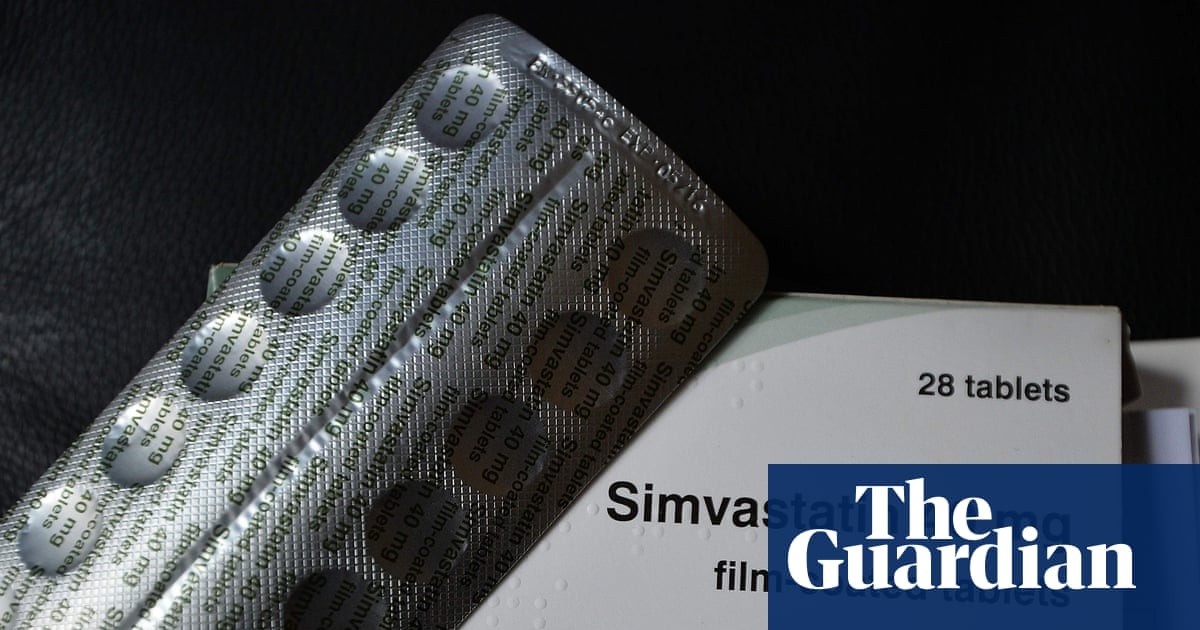
It isn’t magic. It isn’t that extra fat stopped harming blood vessels overnight. It’s statins. It’s antihypertensives People with obesity are far more likely to be prescribed these drugs. They are far more likely to take them. And it works.
Prof Majid Ezzati from Imperial College London put it plainly. High-income countries are winning the drug game. Middle-aged and older adults with high BMI are lowering their cardiovascular risk to match normal BMI folks simply by managing the numbers. Cholesterol drops. Blood pressure drops. The risk profile evens out.
“Our study suggests… taking medication… has helped middle-age and older adults降低 their cardiovascular risk to levels similar to people with normal BMI.”
Don’t get too excited yet. Or get suspicious. This is specifically about older adults. Under 40? The old rules still apply.
If you are under 40 and obese. Your numbers are worse. Bad cholesterol is higher. Blood pressure is higher. The protective umbrella of widespread medication hasn’t fully spread to the young. They haven’t developed the comorbidities requiring aggressive treatment yet. Or the systems to manage them proactively.
Yse d’Ailhaud de Bisais from the same research team warned against complacency. This isn’t a green light to ignore weight. It’s a sign to fix the underlying biology earlier. Before the medications become a necessity. Lifestyle interventions matter more now than ever. Because pills manage the symptoms. They don’t fix the cause.
Why does this matter?
Weight-loss medications like GLP-1s are booming. The market is exploding. Doctors are prescribing them like candy. But to know if these new drugs work, we need a baseline. What does cardiovascular health look like before we start treating obesity directly?
The study gives us that picture. It shows that currently, many of the patients who will end up on these weight-loss shots have cardiovascular profiles that look just like anyone else’s. Because they are already medicated for the heart and cholesterol issues.
Prof Bryan Williams of the British Heart Foundation called it a “powerful public health success story.” He’s right. It is a success. We managed the crisis. We kept hearts pumping in bodies that statistics said shouldn’t hold them for long.
But he also hit the nail on the head with a warning. We can’t forget what obesity actually does.
Statins fix lipids. They don’t stop diabetes. They don’t prevent kidney disease. They certainly don’t reduce cancer risk.
The heart is safe. Maybe. For now. But the rest of the body is still paying the price.
Is that a good enough trade-off?
Maybe not. But it’s the one we’ve made. For now. We’ll see where the next decade takes us. As new drugs enter the market. As guidelines shift. As the definition of healthy keeps changing.
One thing remains constant. Complexity.
Always complexity.