Windows look good. They let in light. But if they aren’t insulated, they are draining your wallet.
You don’t need to rip out existing frames. You can improve efficiency cheaply. Most fixes are available at local hardware stores.
Before you buy anything, understand the physics. Windows are ground zero for temperature exchange. They lose heat in winter. They absorb solar heat in summer.
This isn’t minor. Window-related heat gain and loss account for up to 30% of a home’s daily energy consumption. That is a massive chunk of your bill. The industry exists to solve this because the problem is real.
Here are six affordable ways to stop the bleeding.
1. Blackout Curtains
Curtains are the cheapest entry point. If you have a rod, you can spend under $100. That is cheap for the savings they offer.
They trap heat in winter. They block sun in summer.
Research shows these treatments can reduce thermal energy escape by 25%. That is a quarter of your loss, gone with a simple hang.
2. Cellular Shades
Cellular shades do the same job as curtains. But better.
They use a honeycomb design. The cells trap air. This air pocket acts as insulation.
They block light too. Unlike blinds with slats, these don’t leak light. They are ideal for stabilizing indoor temperatures. You get year-round efficiency without sacrificing the window entirely.
3. Weatherstripping
Leaky windows kill budgets. Weatherstripping plugs the gaps.
It is a catch-all term. You can find foam, tension seals, or door sweeps. Pick the type that fits your specific window frame. It stops drafts before they start.
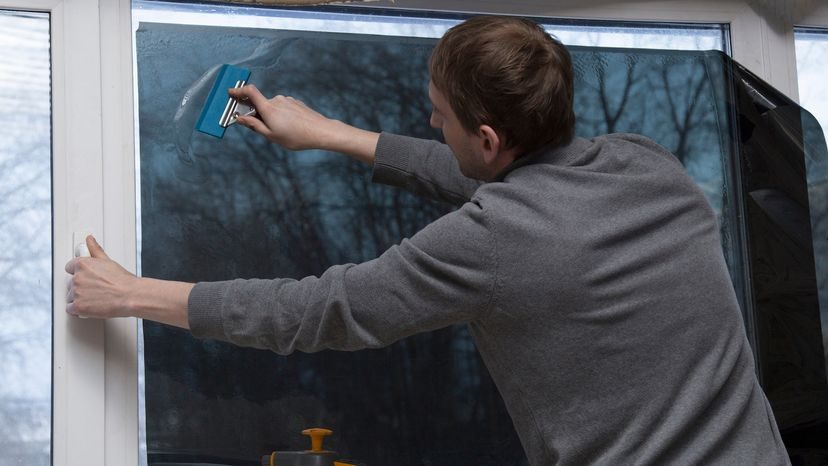
4. Window Film
Also called energy film. It is plastic. You stick it to the glass.
It blocks UV rays. It adds insulation. You don’t lose natural light. Most people can install it themselves.
Combine this with cellular blinds and weatherstripping. Your energy bills will drop significantly. It is a passive system that works while you sleep.
5. Thermal Curtains
Think of these as blackout curtains on steroids.
They have multiple layers. Foam and fabric create a barrier. This barrier restricts airflow.
Warm air stays in during winter. Cold air stays out during summer. The design is specific to temperature control, not just darkness.
6. Bubble Wrap
Yes, bubble wrap.
Go to a moving supply store. Buy a roll. It works.
The air bubbles create a barrier. They boost the insulation value of the glass. For best results, use large bubbles. They trap more air. It is ugly, maybe. But it works.
You have options. You don’t need new windows. You just need to manage the air and light that passes through them.
Which method fits your budget? The curtain route is cheapest upfront. The film is cleanest visually. The bubble wrap is the most temporary.
Does it matter which you pick? Not really. What matters is that you do something. Leaving them as-is is expensive. Fixing them is an investment.