It wasn’t supposed to happen that way. Or so we thought.
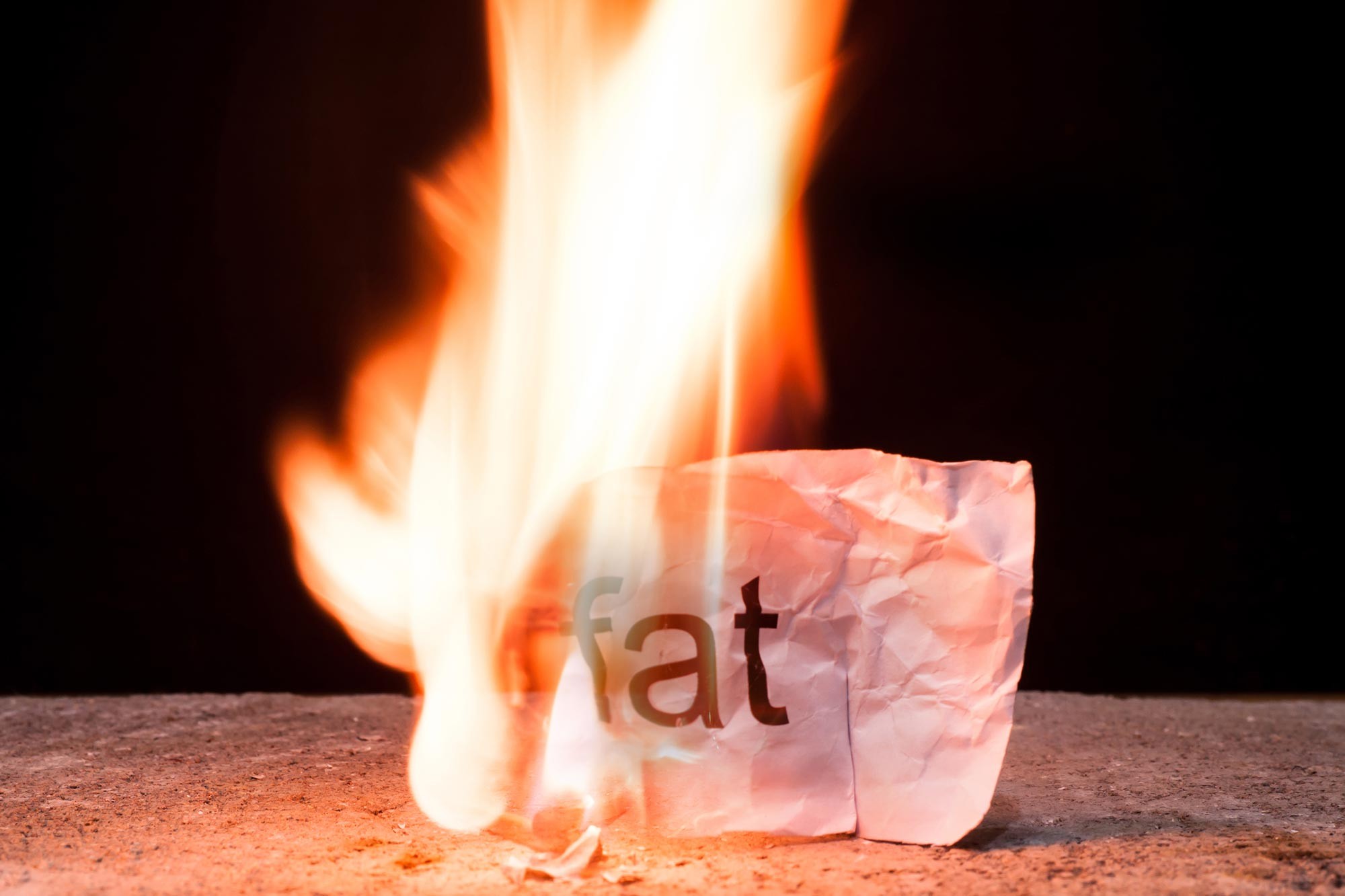
Scientists found a switch. It’s hidden. Inside mice, mostly, for now. Flip it, and brown fat starts burning. Not just burning—it ignites.
This isn’t the classic pathway everyone talks about in textbooks. That’s the one with the usual suspects, the UCP1 protein doing its job of making heat from fat. Old news. But there was always a second gear. A backup generator humming quietly in the background. We knew it existed. We just didn’t know who held the keys.
Enter Lawrence Kazak and his team at McGill. They looked at brown fat. The good kind. The stuff that burns calories to keep you warm when it’s cold. White fat stores energy; brown fat wastes it. Intentionally. And while researchers assumed heat came from only one route, Kazak found the trigger for the other one.
“This is the first time we’ve identified an alternative pathway activated independently.”
It’s called the futile creatine cycle—futile because, biologically, it burns fuel without storing anything. A metabolic dead end that keeps you warm. Or does it?
The mechanism is simpler than you’d expect. Cold hits. Fat breaks down. Glycerol is released. This tiny molecule finds its way to an enzyme named TNAP. Specifically, to a little pocket in the enzyme called, delightfully, the glycerol pocket.
Fit in the pocket, glycerol acts like a key. TNAP wakes up. The switch flips. Heat generates.
It sounds like biochemistry homework until you realize what else TNAP does. Bones. Hardening them. Making sure you don’t fracture when you sneeze too hard.
Here is the twist that makes this research genuinely useful right away, rather than decades down the road: the same switch that heats you up might also fix your skeleton.
TNAP is the muscle behind calcification. Without it, bone stays soft. Literally. Hypophosphatasia. It sounds like a mouthful, and it is. It causes weak bones, pain, fractures, and deformities. Rare in most places. In Quebec and parts of Manitoba? A bit more common, thanks to specific inherited mutations. Bad genetics meeting bad luck.
Until now, researchers struggled with this. The enzyme breaks, bones soften, people suffer. A previous effort led to enzyme replacement therapy for hypophosphatasia—good, solid medicine—but Kazak and colleague Marc McKee are looking at something new. Instead of replacing the whole broken machine, what if you just boost what’s there?
They think glycerol—and compounds that mimic it—can punch that pocket just enough to rev up the enzyme.
Is this a magic bullet? No. It’s a potential lever. Pull it, and bone mineralization improves. It doesn’t guarantee a cure-all for obesity or every metabolic woe, though it opens the door for those studies too. But for someone whose bones feel like cardboard, this feels different. Immediate. Tangible.
The team isn’t theorizing anymore. They have drug candidates. Dozens of them. Already tested in the lab, ready for the long slog of clinical trials. It moves the goalpost.
“Boost beneficial actions in patients to restore deficient mineralization.”
It’s a long quote for a simple idea: fix the weak point, strengthen the whole structure. The research involved players from the US, the UK, Canada, even Maine. Funding poured in from Canadian health institutes, NSERC, Quebec’s health research funds.
Does it mean brown fat is now a miracle worker? Don’t be naive. Biology rarely gives you free lunches. But this switch? It changes the menu.
What we learn about heating might save what supports. The two systems talk. Maybe we were just too quiet to hear.