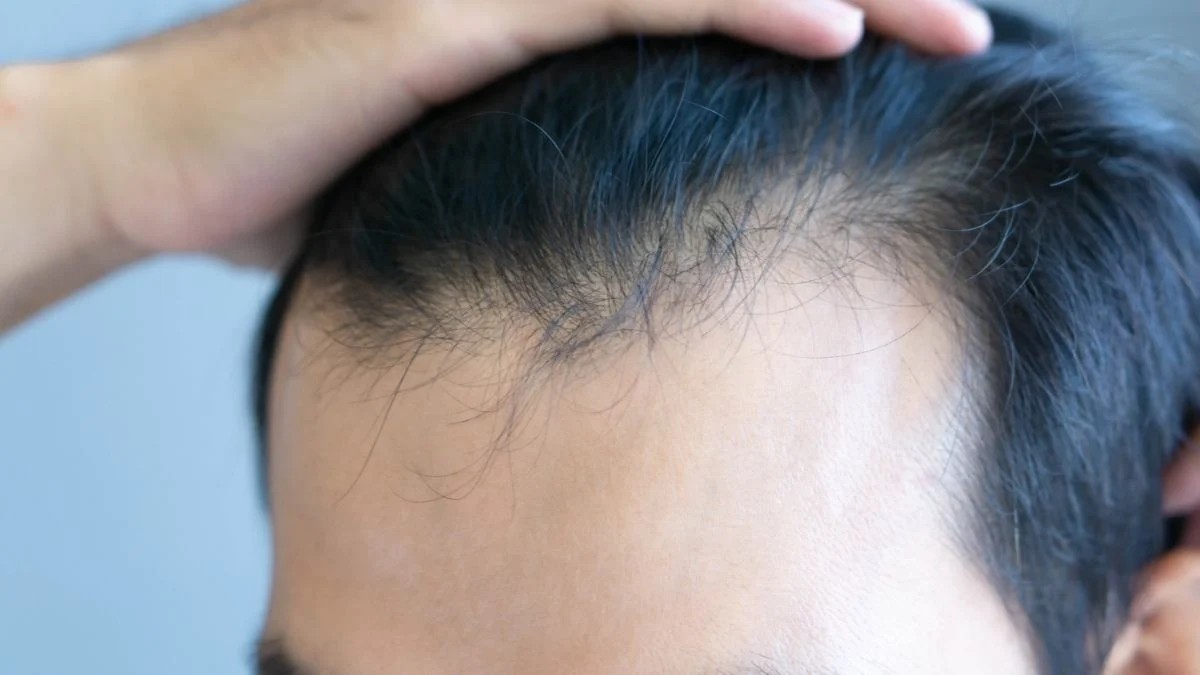
Hair loss. It’s not the side effect everyone talks about. Sure, you hear about nausea. Maybe the stomach issues. But alopecia? That’s quiet. Until now.
A new study in The BMJ changes the silence. Researchers at the University of Pennsylvania found a worrying link between GLP-1 drugs and non-scarring hair loss. It’s real. And it’s bigger than anecdotal reports suggested.
The Numbers Don’t Lie
This isn’t a small survey. The data is heavy.
The team compared 12,004 people taking GLP-1 drugs against two other groups. One group used SGLT-2 inhibitors. The other used DPP-4 inhibitors. Both are standard Type 2 diabetes treatments.
The result? A striking disparity.
Patients on GLP-1s faced a 37 percent higher risk of clinically recorded alopecia compared to those on SGLT-2 inhibitors. Against DPP-4 inhibitors, the risk jumped to 68 percent.
This is non-scarring alopecia. The scalp isn’t damaged. The follicles remain. Meaning hair could grow back. But the shedding is immediate. And the connection is statistically robust.
The researchers adjusted for age. Sex. Ethnicity. Pre-existing conditions. The link held firm.
“GLP-1 receptor agonist use were associated with a higher risk of clinically recorded allopecia… in patients with type 2 diabetes.”
Why Is This Happening?
Science hates a vacuum. So they looked for the mechanism.
It’s likely the weight loss. Or what follows it.
Rapid weight reduction is a known trigger for telogen effluvium. This is that transient shedding where hairs enter a resting phase and fall out. But it’s not just the weight falling off.
It’s the nutritional shift.
GLP-1 agonists suppress appetite. They slow digestion. They boost insulin. This changes your body’s fuel intake. Iron and zinc deficiencies often follow. These deficiencies disrupt the hair growth cycle.
“Weight loss and changes in nutritional status… are established risk factors,” the study notes.
Essentially, your body is prioritizing vital functions. Hair? It’s a luxury it can’t afford right now.
The Context Matters
Don’t panic. Not yet.
The absolute risk is low. Look at the raw numbers.
In one year, roughly 7 out of 1,000 patients on GLP-1 drugs developed hair loss. Compare that to 5 out of 1,000 on SGLT-2 drugs. And 4 out of 1,000 on DPP-4s.
The difference exists. It is measurable. But it is not universal.
And remember what GLP-1s do. They protect against dementia. Certain cancers. They help manage obesity and diabetes in ways we never thought possible.
You weigh the shedding hair against the preserved organ function. For many, the trade-off makes sense. For others? Maybe not.
Shared Decision Making
The researchers warn that medical records have limits. They didn’t track severity deeply. Duration? Hard to say from these records alone. Reversibility? Unconfirmed in this specific dataset.
Still, the signal is clear.
“These findings may inform shared decision making,” they write.
Doctors need to talk about this. Before you start the prescription. Not after you’re staring at a clogged drain.
The Bottom Line
GLP-1s like Wegovy and Ozempic are revolutionary. But they aren’t magic. They are potent hormonal interventions. They change your metabolism. Your nutrition. Your body’s priorities.
Hair loss is a side effect. Real. Documented. Often overlooked.
If you’re considering these drugs, ask questions. Monitor your nutrients. Keep an eye on the mirror.
The science is evolving. The hair might grow back. Or it might not. But now, at least, you know it’s a possibility you can’t ignore.
Is it worth it? That’s up to you.