Hypertension isn’t just a number on a monitor. It’s the engine driving cardiovascular disease for 1.28 billion people worldwide. Yet, for decades, public health campaigns have been running on a treadmill that leads nowhere fast. Fixate solely on sodium. Reduce the salt. Simple, right?
Wrong.
A new perspective published in The American Journal of Clinical Nutrition argues this approach is flawed. The current strategy fails because it ignores half the equation. You cannot fix blood pressure by only subtracting sodium. You have to add potassium back in.
The Sodium Trap
The World Health Organization sets the bar clearly. Keep sodium under 2,000 milligrams daily. Push potassium above 3,500 millgrams.
The reality? Most of the globe ignores both.
Sodium intake sits at roughly double the limit. Potassium? Most countries are crashing well below the target. In wealthy nations, the culprit isn’t the salt shaker on your counter. It’s the food bought outside it. Packaged goods. Restaurant meals. The salty flavor profile is baked into the modern food system.
Prof. Naomi Fukagawa from the University of Vermont and her colleagues note that sodium reduction alone has been a hard sell. Consumers hate bland food. Reformulating products without triggering taste bud rebellion is technically miserable. Public health agencies get stuck in a cycle of warning people to eat less of something they love, without offering a biological upgrade to compensate.
The Renal Potassium Switch
Here is where it gets physiological. The human body has a mechanism called the renal potassium switch. It dictates how kidneys balance sodium and potassium while filtering urine.
This system evolved when potassium was scarce. It hoards potassium. It expels sodium.
Modern diets flipped this dynamic. High sodium. Low potassium. The kidneys keep pumping out sodium, but they also struggle to balance the deficit, inadvertently spiking blood pressure. It’s an evolutionary hangover clashing with a processed-food reality.
“Importantly, hypertension is the driver of the risk for cardiovascular disease and not merely a marker of an excess intake of sodium.”
Ignoring potassium means ignoring the biological counterweight that helps lower that pressure.
Evidence From the Ground
Theory is nice. Data is better. Consider the China Salt Substitute and Stroke Study.
Researchers replaced some table salt with a potassium-enriched alternative. The result? Both blood pressure and cardiovascular events dropped.
Modeling from that study suggests a specific insight: much of the benefit came from adding potassium, not just subtracting sodium. When you increase potassium intake, you help the body flush excess sodium more efficiently. You reset that renal switch.
The authors propose a new standard. Stop treating sodium and potassium as separate enemies. Treat them as a ratio. Food manufacturers should target specific sodium-to-potassium balances in their reformulated products. It’s not about zero salt. It’s about the right mix.
Practical Steps for Now
We aren’t waiting for a utopia where everyone eats perfect diets. The paper outlines concrete, near-term tools.
- Salt Substitutes: Use potassium-enriched salt substitutes. They are a practical fix. Caveat: Not for people with advanced kidney disease or on certain medications. Check with your doctor first.
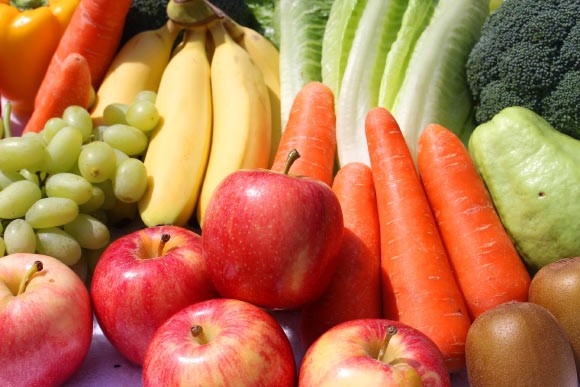
- Education: Highlight potassium-rich foods. Fruits. Vegetables. Nuts. Stop teaching people to fear salt without showing them how to build resilience.
- Access: Policy changes must help low-income households afford more fresh produce. Potassium isn’t just a health metric; it’s an equity issue.
The Data Gap Argument
Skeptics will point out that firm dietary guidelines for potassium are still elusive. A 2019 National Academies report admitted the dose-response data for potassium is insufficient to set formal targets for chronic disease reduction.
The authors argue that waiting for perfect science is costing lives. We know enough. We know potassium helps. We know sodium hurts. We know they interact.
“It is time to view dietary interventions in a holistic way,” Fukagawa said. “Because the food components interact, and the physiology is integrative across all systems.”
Dietary sodium reduction remains foundational. It’s still the baseline. But focusing only on it leaves too much potential on the table. Broadening the approach to include equal emphasis on potassium intake might be the paradigm shift we actually need.
The science is catching up to what many patients have suspected for years. It’s not just about what you take out of the pan. It’s about what you put on the fork.