They were gone. All of them.
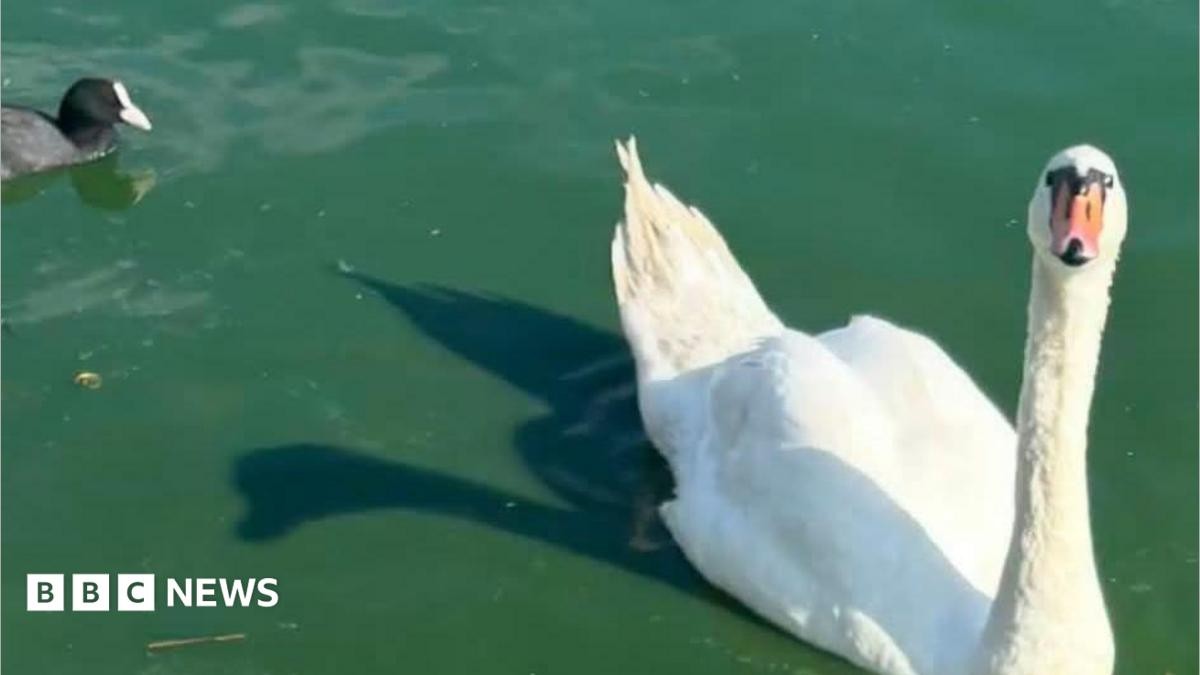
The swan family that lived in Canvey Lake is dead. Residents who watched them for years say they feel “broken.” The news hit hard. It wasn’t just a statistic. It was neighbors, friends, part of the landscape that suddenly vanished.
Here is the timeline of how a local nature reserve turned into a tragedy.
The numbers don’t lie
The lake was home to two adult swans. This year, they brought nine cygnets into the world. It sounded promising until the losses started mounting up.
Foxes got two.
Four others were too weak to survive the initial decline. They were rushed to the South Essex Wildlife Hospital in June. One didn’t make it out. The cause there was avian botulism.
That left three cygnets. Plus the mother and father.
By Tuesday, their condition was deteriorating fast. The lake environment was changing for the worse. The family was moved to the hospital. By Friday, they were dead too.
“I’m absolutely broken. I’m devastating. I’ve spent four or five hours [daily] with them for the past three years.”
— Hayley Cockayne, Canvey resident
It’s not just bad luck
Martin England, a member of the Friends of Canvey Lake committee, called it an “environmental disaster.” He isn’t being dramatic. He is describing what he sees.
Sue Schwar runs the South Essex Wildlife Hospital. She saw the bodies. She tested the water. Her verdict? She was “100% sure” the primary killer was blue-green algae exposure.
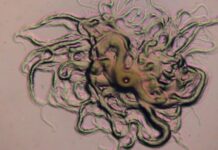
Blue-green algae. That is a specific type of harmful bacterial bloom. It happens when water conditions stagnate. The toxins affect birds first. Then mammals. Then potentially humans, if you swim in it.
The question people ask is simple: Why did it get this bad?
A reserve in decline
Canvey Lake isn’t just a pond. In 1998, the Canvey Island Town Council officially registered it as a Local Nature Reserve. The goal was protection. The goal was improving site standards. The goal was saving wildlife.
Clearly, those standards slipped.
Hayley Cockayne, a local resident, said the lake is “dead.” She watched it happen. She said it was “absolutely unacceptable.”
She has spent hours there daily. She said she knew this year they might lose the wildlife. She saw it coming. Knowing didn’t help. It only made the final acceptance harder.
“I always said this year we would lose all of the wildlife on this lake,” Cockayne said. “I knew it was coming, but it didn’t make it any easier.”
What you see now
Go there today if you dare. You won’t see the graceful white curves you used to see. You will see “not a lot of birds.” You will