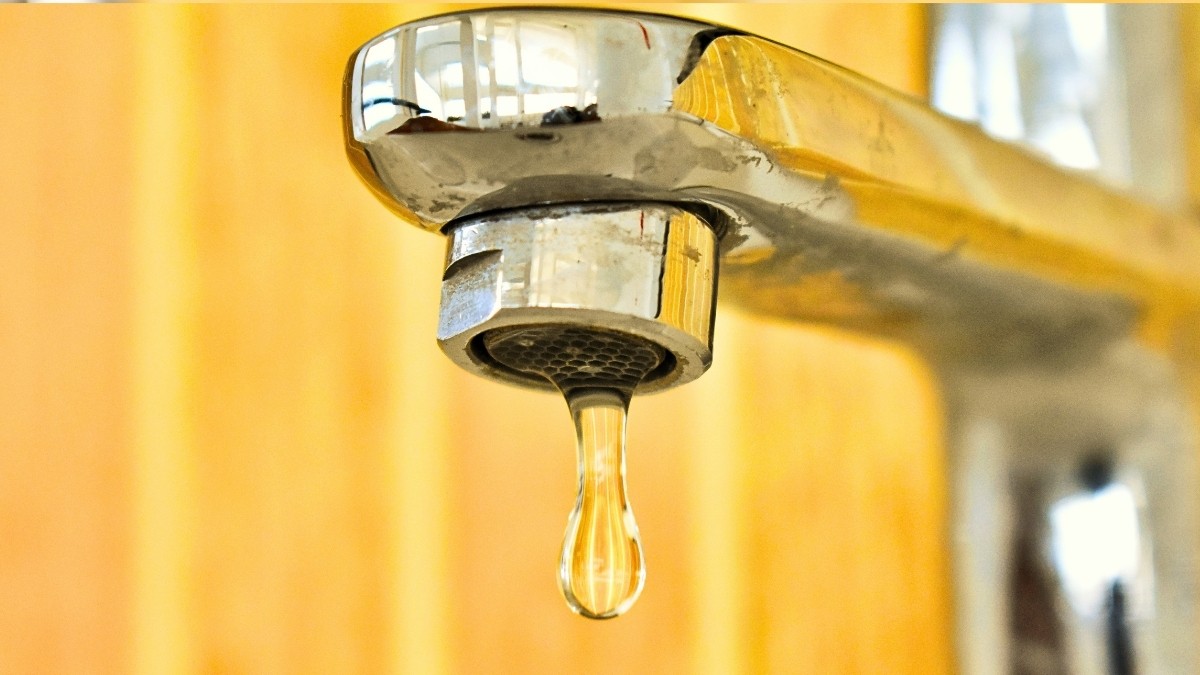
It sounds impossible. A developed coastal city in the heart of Texas, home to more than 300,0 thirsty thousands of people, is staring down the barrel of an empty tap.
Corpus Christi. The name usually evokes beaches and oil rigs. Now it evokes panic.
The water scarcity issues here didn’t happen overnight. They built up. Layer by layer. Year by year. And now? The situation has come to a head.
Why Industrial Growth Is Draining Texas Reservoirs
It’s not just bad luck. It’s a collision of interests.
The shale revolution unlocked vast oil and gas reserves in Texas. That brought money. It also brought massive industrial developments. These factories need water. Lots of it.
Consider this: A plastics chemical complex built in 2022 uses as much water for cooling every single day as every resident of Corpus Christi combined. Just one plant. More than all the people.
“Corpus Christi has come as close to running dry as practically any city in the US.”
— Dylan Baddour, Inside Climate News
The city tried to fix this. They planned a seawater desalination plant. It was supposed to ease the pressure from rising industrial usage. It was the lifeline.
It never materialized.
The Failure of Desalination Plans
So where does that leave them?
They are relying on what’s left in the tanks. Right now, Corpus Christi has about one year of water storage. In emergency terms, that is critical. Most cities would be in lockdown mode right now.
Climate change didn’t help. Texas has suffered a string of historic droughts recently. Rain is scarce. Reservoirs are low. Even though 2026 saw some rainfall that eased the immediate panic, the levels are still dangerously thin.
The desalination idea isn’t dead. Not completely.
There is a proposal on the table for a massive facility. It would remove salt and impurities from the Gulf. The capacity? An estimated 378 million liters per day. That is 100 million gallons. Twice the output of the biggest plant currently running in San Diego.
Sounds like a winner, right?
Here is the catch.
They have been talking about this since 2017. That is seven years of talk. The project is bogged down in red tape. Funding is a mystery. The price tag is roughly $6 billion.
Arcelia Martin, also from Inside Climate News, points out the delay:
“There were years of fumbling around… while water was running out.”
What Happens When the Tap Turns Off?
The city is scrambling for other options.
They are drilling deep into the earth for groundwater. These wells already supply 12 million gallons a day. But drought doesn’t care about depth. If the rain doesn’t fall, the groundwater disappears too.
They are also looking at wastewater. Plans to reuse treated wastewater for industrial cooling are set to go online this year. It’s a stopgap. Maybe.
For regular folks? Life is already restricted.
Since August 2024, residents in Corpus Christi cannot wash their cars or water their gardens freely. It’s not much of a sacrifice when you think about survival. But it signals the tension.
Emergency measures were expected as early as December 2027. Thanks to the recent rains, that date slipped. It pushed back to September 2028.
Still. There is very little margin for error.
If they hit rock bottom?
We are talking about rolling “water blackouts.” Water available for only a few hours a day. In specific neighborhoods.
But here is the real problem. Industrial refineries cannot run on an hour a day. They need continuous flow.
If the water stops, the plants shut down. The refineries close. The economy takes a hit. Communities suffer. It is a chain reaction of failure.
The Grave Reality of Modern Water Scarcity
We tend to take water for granted. We twist the knob. It flows. It always has.
Until now.
Dylan Baddour puts it plainly. This story shows us what it actually means for a city to run dry. It hasn’t happened on a large scale in modern times. Not like this.
The possibilities are tremendous. And grave.
We haven’t appreciated the resource until it was vanishing. Now we are watching a coastal city try to solve a physics problem with bureaucracy and hope.
It might work. It might not.
The clock is ticking.