The Milestone
It hit 600. SpaceX launched a used booster for the sixth time it has done exactly this—six hundred times.
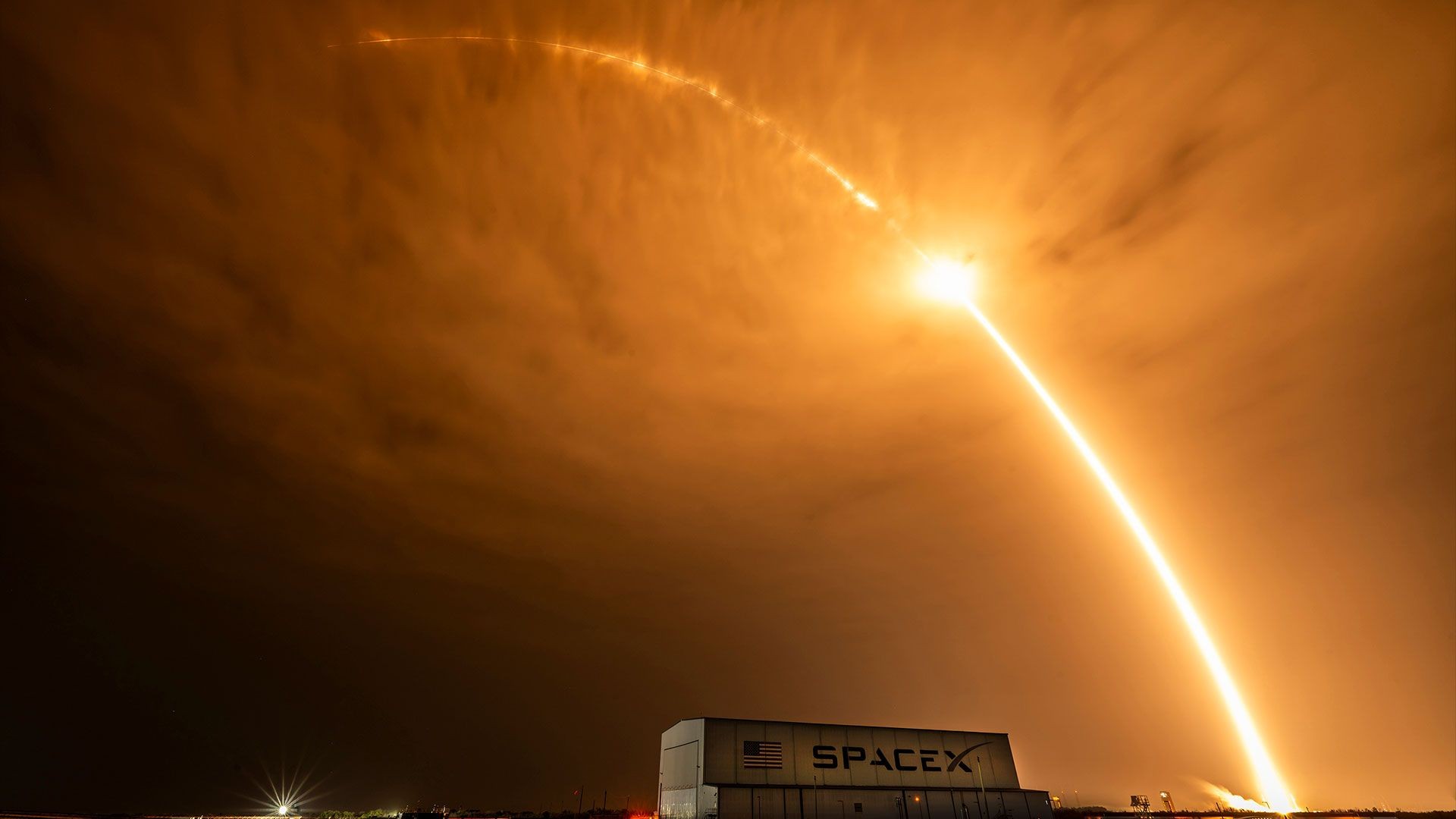
A sexacentennial, technically. Or just a big number on a scoreboard nobody asked for but everyone checks. The launch was just the second of a pair lifting off less than eight hours apart, crossing that midnight line from Monday to Tuesday in early July.
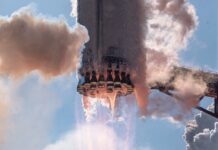
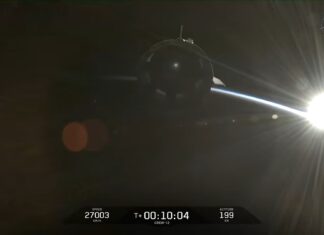
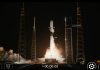
First up, Starlink batch 15-28 took off from Vandenberg in California. 9:28 p.m. local time. Dark skies, coastal wind, standard procedure. Then the switch flip to Florida. Cape Canaveral, 5:10 a.m. Local time there anyway. Group 10-31 rode that wave into orbit.
Did anyone blink? Probably not.
Both rockets worked. They dumped their loads, twenty-seven birds from the West Coast and twenty-nine from the East. SpaceX confirmed they’re all up there now, circling quietly. The first stages? They came back too.
Reusability isn’t magic anymore, it’s accounting.
B1093 lifted from Florida on its 15th trip. B1080 came from California, heavier wear, 28 launches under its belt. The absolute record for one single first stage sits at 36. These are well below the limit. Just reliable machinery doing a job.
“The hardware survives, then we throw more data at it.”
So where does that leave us? With more internet beaming from above. Sixty more Starlinks joined the fold. That pushes the total active constellation to 10,811. According to Jonathan McDowell at Harvard-Smithsonian, at least. He keeps count so we don’t have to.
We keep looking up, wondering what comes next, while the rockets just keep coming back.