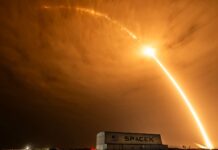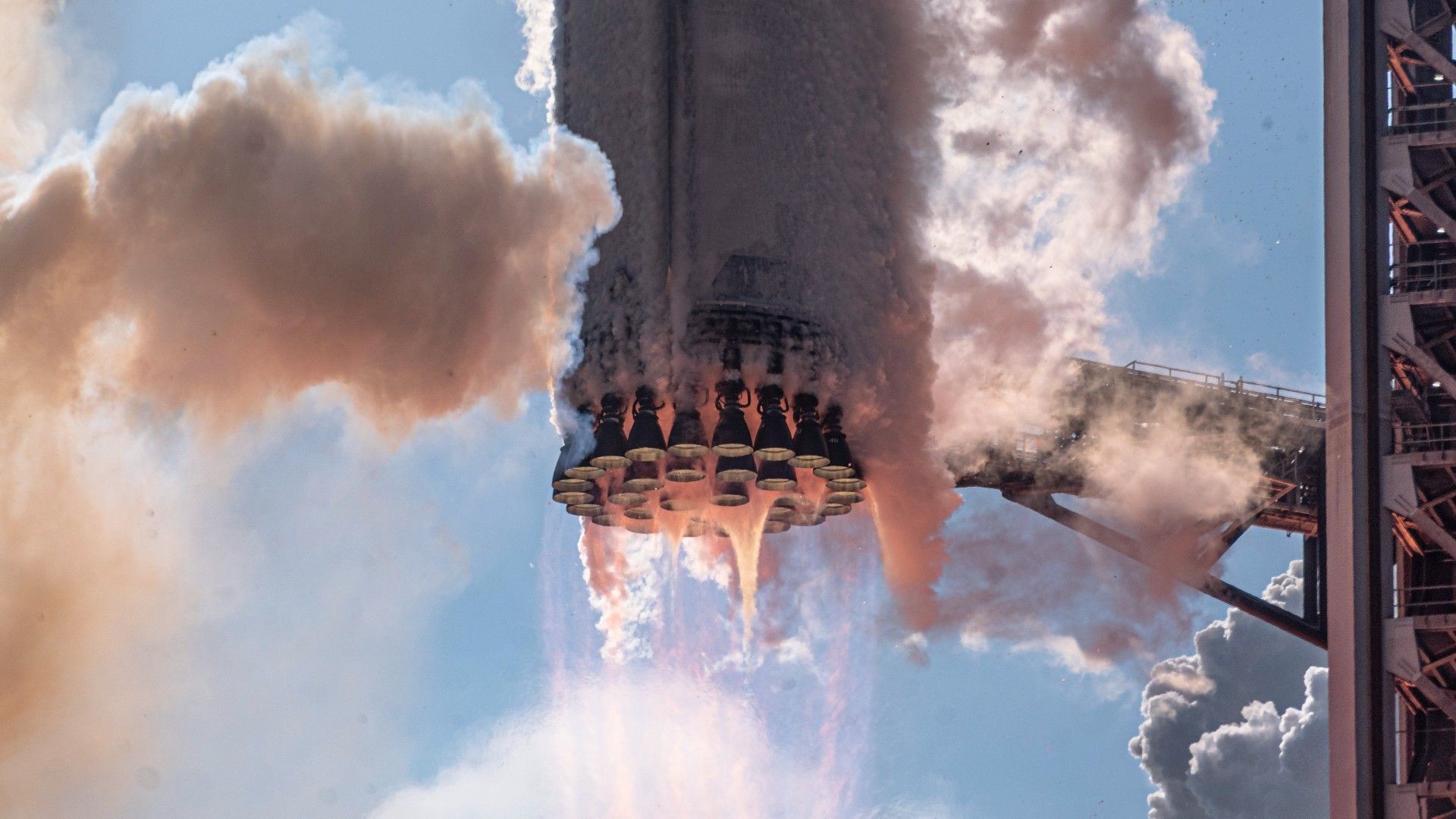
The clock is ticking. July 16 is here. And the biggest rocket on the planet is finally stacked, waiting for the green light at 6:45 p.m. EDT from Texas.
SpaceX calls this Flight 13. It is the thirteenth time they’ve tried to prove this machine works since 2023 started. It’s the Version 3 setup now. Bigger. Louder. Better? We’ll see.
The launch window is tight. Ninety minutes starting Thursday evening. If weather permits. If engines don’t scream. If physics behaves.
The Stack
Booster 20. That’s the Super Heavy stage. It rolled back to Pad 2 yesterday. A routine dance, mostly. Down the road, up the stand, locked in.
Overnight Ship 40 joined the party. The upper stage. The nose that tries to survive re-entry while carrying satellites or people or both. Now they are stacked. Together. For real.
“The pair will be stacked at Starbase’s Pad 2… for what we hope is the final time before liftoff.”
This is the part where you hold your breath. Or don’t. The cameras won’t care either way. But the sensors? They notice everything. Temperature. Pressure. Vibration. Any anomaly sends the team scrambling back to the drawing board. Again.
You remember Flight 12? The one before? Well this should look similar. Same profile. Same V3 hardware. But the last time things got… interesting. Explosively interesting. Near the end. So expectations are set high, then immediately lowered just to keep nerves stable.
Why bother watching?
You don’t need a front-row ticket. The internet works fine. SpaceX streams it on their mission page and on X. Space.com is covering it live too, kicking off thirty minutes before the T-minus zero countdown.
If you prefer tangible clutter, Amazon has a deal on a die-cast model.
- Price: $39.99 (dropped from $47.99)
- Scale: 1:375 ratio
- Size: 13.77 inches tall
- Material: Alloy steel
- Weight: 225g
It sits on a desk. It weighs next to nothing compared to the real thing, obviously. But it’s there. Solid. Metallic. A reminder that humanity is throwing metal sticks into the sky to see if we can hit orbit without dying.
What actually happens?
Target is still July 16. 6:45 p.m. Central Time.
The booster didn’t just roll out for fun. It went down to the hangar after a static fire test last Friday, July 10. You know, turning the engines on without actually launching? Standard procedure. To make sure nozzles don’t melt into slag before ignition.
Then back up. Back on the pad. Now sitting there with Ship 40 bolted on top. They likely ran more checks. Maybe another static fire? We won’t know until they do it.
Flight 13 aims to deploy SpaceX’s first batch of upgraded Starlink Version 3 payloads. Internet in space, presumably. Faster than ground Wi-Fi? Probably. More expensive than your Netflix bill? Absolutely.
It’s a test flight. Meaning they expect something to go wrong. Just not too badly wrong. Not fatal wrong. The goal isn’t perfection. The goal is progress. Even if progress looks like fireballs this week.
One question remains, hanging in the humid Texas air.
Will the engines stay lit long enough to separate the stages cleanly?
The sky is dark. The fuel is chilled. The engineers are nervous but silent. The stream goes live.