Actors pretend to be other people for a living. It is their job. But when you are a recognized celebrity, staying anonymous in public is a nightmare. A pulled-down baseball cap does not work. The paparazzi are not working alone. They operate in teams. They share location data via text. They pay informants. They track rumors. It is a coordinated hunt.
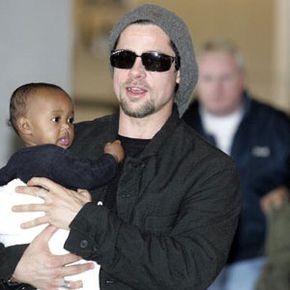
Some stars are harder targets than others. Brad Pitt is one of them. He has been famous for decades. He knows how to confuse photographers. He sends out decoys. He changes routes on the fly. He once told Terry Gross on Fresh Air that leaving his house felt like a “Mission Impossible” with decoys. The strategy even extended to selling photos of his daughter, Shiloh, to avoid the constant stalking. It is a heavy price for privacy.
Then there is the wedding of Michael Douglas and Catherine Zeta-Jones. It was in 2000. They decided to take security to an extreme level. They wanted to keep the press out entirely.
The Mechanics of Extreme Privacy
They spent $66,000 on this security detail. That is a lot of money for a single event. But they wanted it done right. Here is what they did.
- Every vendor signed a confidentiality agreement. This included caterers and suppliers. Even those who did not get the job had to sign.
- Guests did not know where or when the wedding was until the last minute.
- Tickets were not mailed. They were hand-delivered or couriered the day before the event.
- The tickets had invisible ink codes. The couple authenticated each one personally.
- Guests swapped the paper ticket for a gold pin. It was custom designed by Douglas and Zeta-Jones.
- No cameras were allowed inside.
- Security teams swept every room for hidden microphones or video devices. They did this multiple times.
- Three private guards patrolled the corridors constantly.
It sounds paranoid. It was. But it was also clever. They controlled who entered. They controlled who could take pictures. They even arranged a publishing deal with OK! magazine to release select photos later. This gave them control over the narrative.
The Infiltration
Despite all this, it failed. Not completely, but significantly. A photographer named Rupert Thorpe got in. He managed to sneak past the security. He snapped shots of the bride and groom. He sold these photos to Hello! and The Sun.
The couple sued. They won a monetary settlement. It was a victory for privacy rights, technically. But the photos were out there. The moment was compromised.
This raises a simple question. If stars pay this much money and still get caught, when does privacy actually exist? The law is vague. The technology is faster. The public appetite is endless.