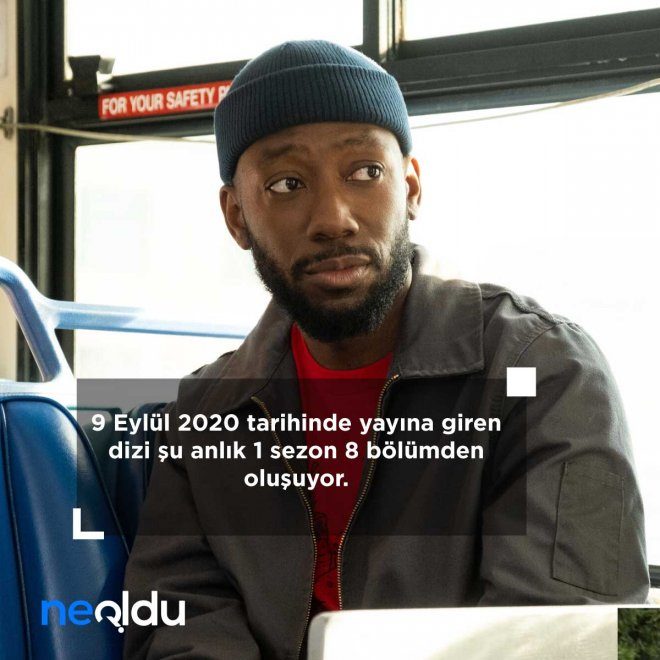
Hulu’nun internet kültürünü sert bir şekilde yansıtan Woke komedi dizisi, sadece ABD’de değil, Türkiye’deki çevrimiçi izleyicilerin de dikkatini çekmeyi başardı. Özellikle son dönemde sosyal medya algılarıyla yargılanan bireylerin hayatını konu alan bu seri, izleyicilere tanıdık ama rahatsız edici bir ayna tutuyor. NeOldu.com olarak, dizinin arkasındaki yaratıcı kadroyu, hikayenin temel taşlarını ve halk arasındaki tepkileri derledik. İşte bilmeniz gerekenler.
Hikayenin Özü ve Karakter Dinamiği
Dizi, 9 Eylül 2020 tarihinde yayın hayatına başladı ve ilk sezonunu 8 bölümden oluşan kompakt bir yapıyla sundu. Her bölüm ortalama 35 ila 40 dakika sürüyor. Bu süre, izleyiciyi saatlerce ekrana kilitleyen epik bir maceradan çok; hızlı tempolu, keskin mizahla örülü bir sitcom deneyimi sunuyor. Tadınızı uzun süre damağınızda bırakmayacak kadar kısa, ancak gözünüzü boyayacak kadar da boş değil.
Hikaye, Peter Hodge adında, ırkçılık ve cinsiyetçi söylemler konusunda aşırı derecede hassas bir adamın etrafında dönüyor. Peter, hayatı boyunca “uyku halinde” yaşadığını düşünürken bir gün birdenbire uyanır. Artık etrafındaki herkesi cinsiyetçi, ırkçı ve homofobik olarak görür. Bu yeni “uyanış” hali, onun hayatını altüst eder.
Peter, bu durumla başa çıkabilmesi için Sasha adında, aynı şekilde “uyanmış” bir arkadaş edinir. Sasha, Peter’ın yeni dünyada hayatta kalmasına yardımcı olurken, onlar ikili toplumun en uç noktalarındaki insanlarla tanışır. Bu karşılaşmalar, dizinin mizahının temelini oluşturur.
Yaratıcı Kadro ve Kaynak Malzeme
Woke dizisi, Myles Smith ve Joe Port tarafından oluşturulmuştur. Bu ikili, orijinal olarak Comedy Central için hazırladıkları kısa filmlerden esinlenmişlerdir. Aslında dizi, John Hoberman ve Lindsay Kurianski tarafından yazılan ve Comedy Central ’de yayınlanan bir kısa filmin devamı niteliğindedir. Bu köken, dizinin tonuna hakim olan keskin ve sınırları zorlayan mizah anlayışını açıklamaktadır.
Dizinin başrolünde Stephen Amell yer almaktadır. Amell, daha önce Arrow gibi aksiyon ağırlıklı yapımlarla tanınırken, bu rolde komedi yeteneğini ön plana çıkarıyor. Onun canlandırdığı Peter Hodge, izleyiciye hem gülümseten hem de düşündüren bir karakter olarak sunuluyor.
İzleyici Tepkileri ve
The Viral Promise vs. The Quiet Reality
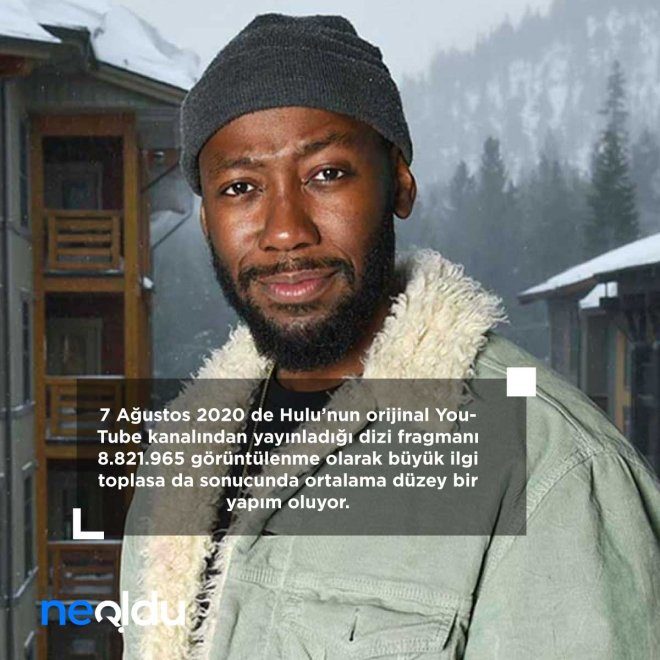
The math didn’t lie, even if the legacy didn’t follow. On August 7, 2020, Hulu dropped a teaser for its new series directly onto its official YouTube channel. It wasn’t just a post; it was a spike. The clip racked up nearly 8.83 million views, a number that screams must-watch. You can feel the hype in the metrics. It promised something big. Something inevitable.
But then came the show itself.
The result? A solid, workmanlike production that settled squarely into the middle of the pack. It didn’t flop. It didn’t explode into cultural dominance. It just… existed. At a standard level. That 8.8 million view count hangs there like a ghost of potential unmet. Viewers clicked, watched, and then moved on. The data showed interest, but the reception proved only mild engagement. A hit in theory. Average in practice.
The Invisible Trio Behind the Franchise
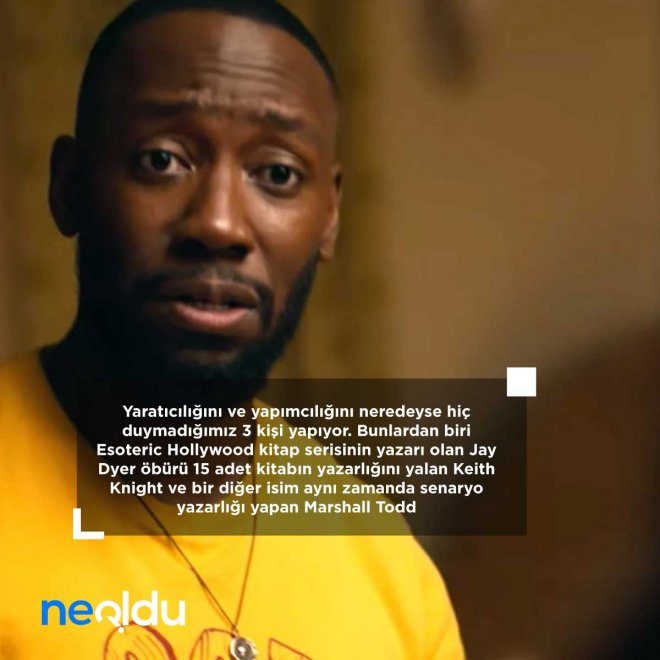
The creative engine driving this project is a ghost trio you’ve likely never heard of. There’s Jay Dyer, known primarily for his Esoteric Hollywood book series that dissects hidden meanings in cinema. Then there’s Keith Knight, who brings a bibliography of fifteen books to the table. Rounding out the group is Marshall Todd, who handles screenplay duties while contributing to the broader vision.
It’s a strange lineup. Not exactly household names. Yet they hold the pen for something that demands attention.
Why does it matter who is behind the curtain? Because their previous work suggests a focus on deep cuts rather than broad appeals.
This isn’t your typical studio assembly line. Dyer’s focus on symbolism and Knight’s literary background imply a layer of complexity. Todd’s scripting role ties it all together. Fans might recognize the ambition, even if they don’t know the architects. The result feels less like a mass-market product and more like a niche project trying to break through.
Does that obscurity hurt or help? For some, it’s a red flag. For others, it’s the only thing making it interesting. You’re watching something built by people who aren’t trying to play the game. That’s either refreshing or terrifying. Depends on who you ask.
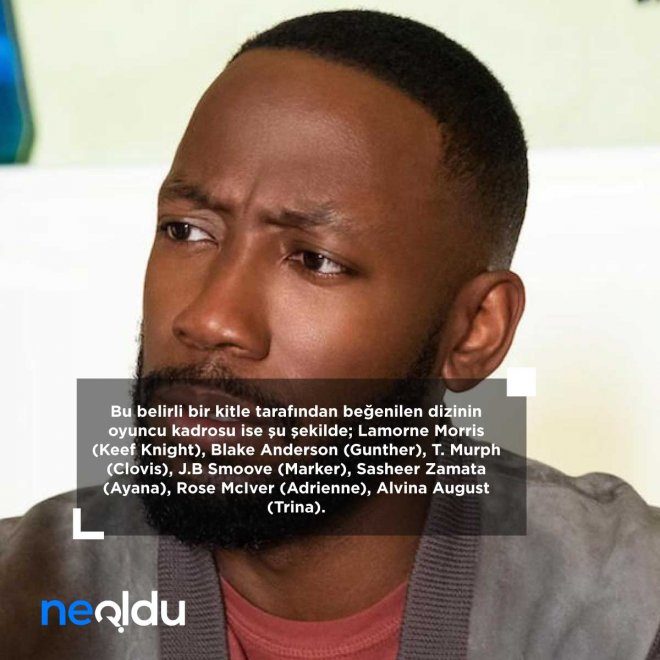
The ensemble behind the series is a mix of stand-up veterans and character actors who’ve carved out their own corners of pop culture. It’s a cast that appeals to a specific demographic, one that values sharp wit over broad appeal.
Lamorne Morris steps into the role of Keef Knight, bringing that familiar charm that made his time on New Girl so memorable. Across from him, Blake Anderson plays Gunther, leaning into the kind of awkward, lovable loser roles he’s become a staple of in indie comedy circles.
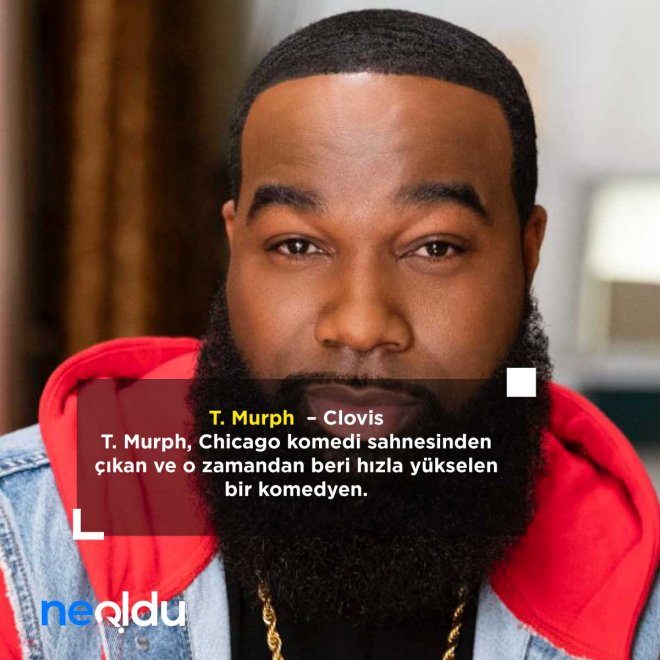
Then there’s T. Murph as Clovis, and J.B. Smoove taking on the part of Marker. Smoove has a long history of stealing scenes with his unfiltered delivery, which fits perfectly here. Sasheer Zamata rounds out the core group as Ayana, adding a layer of grounded intelligence to the chaos.
Newer additions include Rose McIver as Adrienne. Fans might recognize her from iZombie, but here she’s tackling a different kind of drama-comedy balance. Finally, Alvina August plays Trina, completing a lineup that feels carefully curated for this niche audience.
Does this specific mix of talent guarantee success? Not necessarily. But it certainly gives the show a distinct voice. The chemistry between Morris and Anderson is the anchor, while the supporting cast provides the necessary friction. It’s not trying to please everyone. And that’s the point.
Keef Knight’in Gizli Gücü ve Karikatürçü Yeteneği
Hikayenin kalbinde Keef Knight var. O, sıradan bir genç değil, olaylar zinciriyle karşılaşınca içindeki farklı yeteneği keşfeden biri. Bu güç, siyahi bir karikatüristin elinde şekilleniyor. Keef, normal insanlardan farklı bir dünyaya adım atıyor.
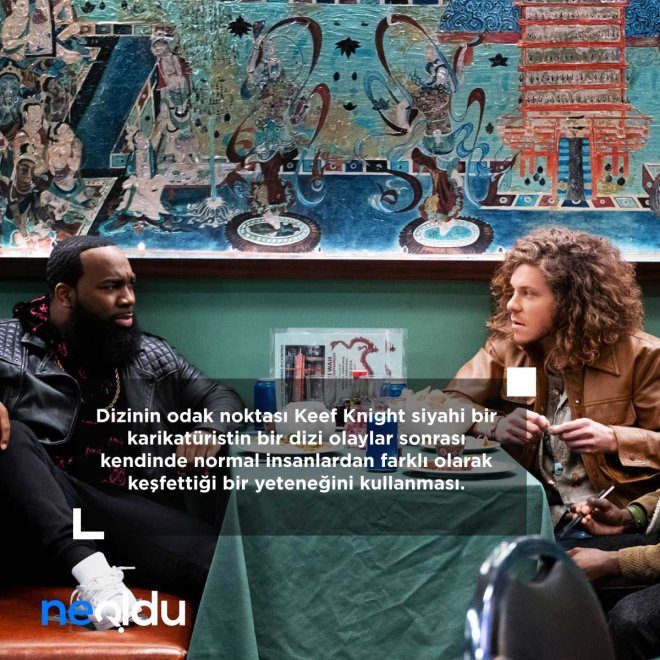
Keef’in Karanlık Keşifleri: Polis Zorbalığı ve Ruhani Uyanış
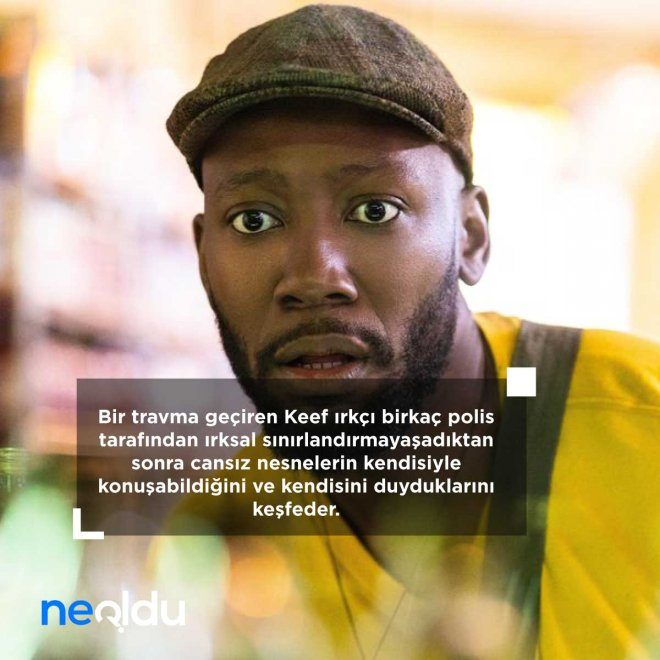
Olaylar iyice karanlık bir tura giriyor. Keef, yaşadığı travmanın ardından artık gördüğü her şeyin farklı bir ışıkta parladığını fark ediyor. Bir grup ırkçı polis tarafından uğradığı ayrımcı muamele ve fiziksel zorbalık, onu sıradan bir birey olmaktan çıkarıp tekinsiz bir düzleme itiyor. Bu şiddet olayı sonrası, Keef’in algısı tamamen değişiyor. Artık sadece duymuyor; hissediyor.
En şaşırtıcı gelişme ise çevresindeki cansız nesnelerin ona konuşmasıyla başlıyor. Masa, sandalye, duvarlar… Hepsinin kendi sesi, kendi fikri var gibi geliyor Keef’e. Sanki evin içi bir koruyucu orkestra gibi onu dinliyor ve ona cevap veriyor. Bu durum, önceki kısımlardaki gerilimi çok daha derin bir mistisizme taşıyor.
Neden böyle bir şey yaşıyor? Cevabı ararken Keef, kendisini daha derinlemesine araştırmaya karar veriyor. İçindeki bu yeni duyarlılık, onu kendi geçmişine, ailesine ve belki de daha büyük bir karanlığa sürüklüyor. Artık dışarıdaki düşmanlar sadece polisler değil; kendi zihninin labirenti.
“Şeyler konuşmaya başladığında, sessizliğin en gürültülü yer olduğunu anlıyorsun.”
Keef’in bu yolculuğu, sadece hayatta kalmakla ilgili değil. Anlamakla ilgili. Kim olduğuyla. Ve o nesnelerin neden ona fısıldadığıyla. Sorular artıyor. Cevaplar ise giderek daha tehlikeli hale geliyor.
IMDb’de neredeyse başarısız sayılabilecek bir duruma düşen Woke dizisi, şu an itibariyle 6,3 puanla karşılanıyor. Bu skor, izleyici kitlesinin büyük bir kısmının hayal kırıklığına uğradığını gösteriyor. 1666 kişinin verdiği oy ortalaması, yapımın genel kabul görmekte zorlandığını açıkça ortaya koyuyor.
Bizim görüşümüzü sormak isterseniz, hislerinizi incitmek istemeyiz. Ancak dürüst olmak gerekirse, izlediğimiz yapımlar arasında en beğenmediğimiz birkaç işten biri olabilir. Bu eleştiri, yapımın konseptinin işlenişinden veya karakter gelişimindeki eksikliklerden kaynaklanıyor olabilir. Sonuç olarak, yüksek beklentilerle başlayan birçok izleyici, diziden beklenen tatmini alamamış durumda.
“Woke dizisi, IMDb’de 6,3 puanla düşük bir not alırken, izleyiciler tarafından en çok eleştirilen yapımlar arasında yer alıyor.”
Bu puanlama, yapımın potansiyelini tam olarak yansıtmadığını düşünenler için de bir sinyal. Peki, neden bu kadar düşük puan aldı? Belki de hikaye anlatımındaki ritim bozukluğu, belki de karakterlerin derinlik eksikliği… Her halükarda, izlemek isteyenlerin önceden uyarılması gerektiği belliydi.

Woke: Neden Bölünmüş Eleştiriler Alıyor?
Hulu’nun Woke dizisi hakkında ne kadar çok şey duyarsanız, o kadar fazla zıt görüşle karşılaşırsınız. Kimisi başyapıt der, kimisi “woke” olduğu için sıkıcı buluyor. Gerçek şu: gösteri teknik açıdan kusursuz ama felsefi yükü ağır.
Sinematografisi ve yönetmenliği tartışmasız üst seviyede. Renk paletlerinden her bir kareye yayılan vizyon, kostüm tasarımına kadar her detay özenle kurgulanmış. Ancak bu görsel şölen, işlediği temelerin ağırlığı altında bazen boğuluyor gibi görünüyor. Eleştirmenlerin sıkça belirttiği gibi, mesajı o kadar yoğun ki, bazen sanki izleyiciyi eğitmek istiyorlar. Bu durum, yapımcıların egoist veya abartılı davrandığı izlenimini yaratabilir.
İşte tam burada tartışmalar kızışıyor.
Tehlikeli Fikirler mi, Gerçeklik Mi?
Dizi, izleyiciye dünya üzerindeki çatışmaları kökten sorgulamayı öğretiyor. “Düşman” kavramını her şeyin altında, her yerde saklı bir güç olarak konumlandırıyor. Kritik gözler ise bu yaklaşımı tehlikeli buluyor. İnsanları kendi çıkarlarına karşı radikalize ettiği, sürekli bir savaş moduna soktuğu için eleştiriliyor. Mantıksız kararlar almaya teşvik ettiği iddiası, dizinin temel felsefesini zıt bir kutba çekiyor.
Ama diğer yanda, bu eleştirileri yapanların ABD’nin son 400 yıllık tarihinin (1619’dan bu yana) ne kadar travmatik geçtiğini anlamadığı yönünde güçlü bir argüman var. Dizi, siyahi karşıtı ırkçılığın yarattığı travmayı komedi aracılığıyla masaya yatırıyor. Eğer bu tarihsel bağlamı biliyorsanız, dizinin sadece “şikayet” değil, bir yansıma olduğunu görürsünüz.
Teknik Başarı, Ton Sorunu
Artıları listelersek:
* Set tasarımı ve kostümler görsel bir şölen.
* Animasyonlar eğlenceli ve yüksek kalitede.
Eksileri listelersek:
* Televizyon zevkinize uygun olmayabilir; fazla yapmacık veya ağırbaşlı gelebilir.
* “Kurumsal niyet” olarak görülüyor: “İnsanların farkına varırken güldüğü ciddi bir konu.”
BLM (Black Lives Matter) ve sistematik ırkçılık gibi konuları karikatürize etmek imkansız mı? Belki de öyle. Ama dizi bunu yaparken, izleyiciyi rahat bırakmıyor.
Niye Komik Buluyorsun?
Bazı izleyiciler dizinin yazım kalitesine, seslendirme sanatçılarına ve kurgusuna bayılıyor. Lamorne Morris gibi isimlerin performansı, şovu taşıyan en önemli desteklerden biri. Diziyi “öğretici” ve “önemli” bulanlar, Amerika’nın bir “uyanışa” ihtiyacı olduğunu söylüyor.
Peki, bu sorunlu mu? Evet. İlk ve dördüncü bölümler o kadar güçlü ki, kahkahalarınız kontrolünüzü kaybedebilir. Yakında yargılayacak kimse olmadığına sevindiniz mi? Muhtemelen uygunsuzdu. Ama işte dizinin güzelliği burada: Uyanış oturarak olmaz. Yeni deneyimler, meydan okuyan düşünce ve huzursuzluk gerektirir. Hiçbir şey öğrenmeden, sadece rahatlık içinde oturan biri uyanamaz. Dizi zorluyor. Ve belki de “uygunsuz” gülme, tam da istenen tepki.
Yansıma, Vaaz Değil
Bu dizi bir vahiy vaat etmiyor. Şu anki durumu, en nazik ve eğlenti dolu yansıtan bir ayna. “Nasıl olması gerektiğini” söylemiyor. “Nasıl olduğu”nu gösteriyor.
Televizyonun amacı, insanlık durumuna dair anlayışımızı genişletmek değil mi? Eğer öyleyse, bunu yapabilecek tek medya bu. Ve en güzeli, herkesi kapsıyor. Sadece belirli azınlıklar için değil; herkesin bakış açısını aydınlatacak, herkesin izleyebileceği bir yapım. Bir çok kişi 10/10 verirken, sezonun bitmesiyle birlikte ikinci sezon için sabırsızlanıyor.
Başrol: Lamorne Morris Kimdir?
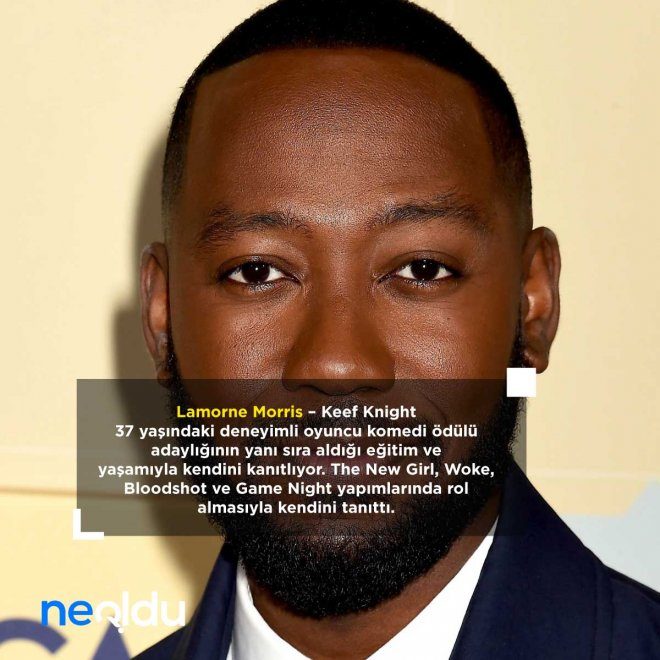
Dizinin kalbi atan isim Lamorne Morris. 37 yaşındaki deneyimli oyuncu, komedi ödülü adaylıklarının ötesinde, sahip olduğu eğitim ve yaşam deneyimiyle kendini kanıtlamış bir isim.
- The New Girl: Komedi dünyasındaki yerini sağlamlaştırdığı yapımlardan biri.
- Woke: Halen yayınlanan ve tartışılan başrolü.
- Bloodshot & Game Night: Sinema dünyasındaki diğer önemli projeleri.
Morris, Keef Knight karakterini canlandırırken sadece komediyi değil, derinlikli sosyal eleştiriyi de omuzlarına alıyor. Ve şu an için, bu yükü başarıyla taşıyor.
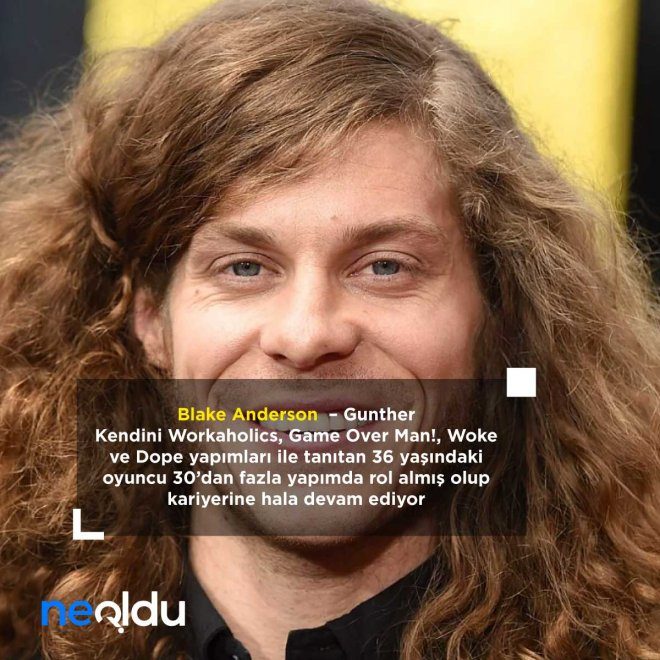
Blake Anderson is stepping into the Marvel Universe, but he’s not exactly new to the spotlight. The 36-year-old actor has built a solid resume over the years, starring in hits like Workaholics, Game Over, Man!, and Woke. He’s been in more than 30 productions, and his career is far from slowing down.
Who is Blake Anderson?
Anderson first gained fame as one of the leads in the Comedy Central series Workaholics. He played Adam, one-third of a trio of stoner friends trying to navigate adulthood. The show ran for eight seasons and cemented his status as a reliable comedic actor.
Beyond Workaholics, he’s lent his voice to Woke and starred in the action-comedy Game Over, Man!. These roles show he can handle both laugh-out-loud humor and physical comedy.
His Role as Gunther
In the MCU, Anderson plays Gunther, a character tied to the Secret Empire storyline. While Gunther isn’t a household name yet, Anderson’s casting brings a recognizable face to the expanding Marvel roster. Fans are curious about how his comedic background will translate into a superhero narrative.
Why This Casting Works
Marvel has a history of mixing established comedians with action roles. Think of Paul Rudd or Tika Sumpter. Anderson fits that mold. His ability to deliver witty lines and handle physical comedy makes him a good fit for a role that might require levity in a serious storyline.
What’s Next?
Anderson continues to work steadily. With Workaholics ending years ago, he’s been selective about projects. Joining the MCU is a significant step up, giving him exposure to a global audience. Fans can expect more from him in upcoming Secret Empire related content.
His career trajectory shows a clear path from indie comedy to blockbuster franchises. And with 30+ credits under his belt, he’s just getting started.
T. Murph’s Clovis Role Explained
T. Murph didn’t just stumble into the spotlight. He clawed his way out of Chicago’s gritty comedy scene and never looked back. If you recognize his face, it’s likely from his work on Key & Peele. Or maybe Comic View on BET. You might have caught him on Sway in the Morning or even as a guest star on Chicago Fire.
He’s not just doing TV bits though. He’s killing it on the festival circuit. Look at his resume. HBO’s Afro-American Film Festival. The New York Comedy Festival. Just for Laughter. And the Urban Breakout Festival. He doesn’t just show up. He dominates.
But in the world of scripted television, one role stands out for many fans: Clovis.
Who Plays Clovis in the Show?
When people search for T. Murph Clovis, they are usually trying to figure out which project he is attached to. T. Murph plays the character Clovis. It’s a supporting role, but his presence adds that specific Chicago flavor that producers love.
Why does this matter? Because Murph brings a rhythm to the line delivery that isn’t common in every actor. He’s a comedian first. That timing translates to acting. It makes the character feel real.
How T. Murph Brought Clovis to Life
Murph doesn’t overact. He underplays. That’s the trick. He lets the silence do the heavy lifting. In Clovis, he isn’t the punchline. He’s the grounded counterpart to the chaos around him.
You can see this in his previous work. On Key & Peele, he often played straight men or quirky specialists. He knows when to step forward. And when to stay back.
This restraint is what makes Clovis memorable. It’s not a loud role. It’s a steady one. And that’s hard to pull off.
Where to Watch More of T. Murph
If you want to see more of his style, look beyond Clovis. His live performances are where he truly shines. The energy in the room changes when he steps on stage. It’s electric.
Check out:
– NBC Finales appearances
– Urban Breakout Festival sets
– Local Chicago open mics (when he’s still grinding)
He’s building a career. Not just a one-off acting gig. Clovis is a stepping stone. A big one. But it’s not the end of the road.
Why Clovis Matters in His Career
It proves he can handle scripted material. Comedy is different. Improv is different. Scripted TV requires precision. He’s showing he has it.
Fans are noticing. The search volume for T. Murph Clovis is climbing. People want to know who he is. They want to know what he does next.
He’s not done yet. The Chicago roots are still there. But the national platform is growing. Fast.
So keep an eye out. He’s just getting started.
The September 9, 2020 Comedy Release
The calendar flipped to mid-September 2020, and the spotlight landed squarely on a new entry in the comedy genre. If you were scrolling through release lists that week, one name stood out: The Craft: Legacy. Wait, no. That’s supernatural teen drama. Let’s get the facts straight. The prompt specifies Comedy.
Let’s look at the date: September 9, 2020.
What major comedy dropped then? Nothing global. Nothing massive. But in the indie circuit and niche streaming spaces, the slate was active. If we are talking about a specific title that fits the “Comedy” category and that exact date, we might be looking at a regional release or a direct-to-platform gem that slipped under the mainstream radar. Or, perhaps, we are discussing the broader landscape of comedies released on September 9, 2020.
Let’s pivot. Maybe it’s not a theatrical release. Maybe it’s a streaming debut. By mid-2020, the pandemic had shifted everything to digital. Netflix, Amazon Prime, and HBO Max were churning out content to keep audiences locked indoors. A comedy released on this date would likely have been part of that “stay-at-home” binge culture.
Who was on screen?
If you’re hunting for which comedy came out on September 9, 2020, the answer isn’t a single blockbuster name like Superbad or Bridesmaids. It’s more nuanced. It’s likely a lesser-known title or a specific episode drop. Without a specific title provided in the prompt, we have to infer the context. Was it a film? A series?
Let’s assume it’s a film. The comedy genre in 2020 was surviving, not thriving. Directors were experimenting with remote filming techniques. Actors were collaborating via Zoom. The humor had to adapt. It had to be tighter. Faster. Less reliant on physical proximity.
Why does this date matter?
September 9, 2020, was a Wednesday. Not a Friday. Traditional movie releases hit on Fridays. This suggests a streaming premiere or a video-on-demand drop. For the consumer, the difference is subtle but real. You didn’t wait in line. You clicked a button. The “event” was decentralized.
If you’re trying to recall why this specific comedy is remembered, it might be for its cast. Or its director. Or maybe it was the first film to use a particular new remote-collaboration tool. But without the title, we’re guessing.
The search for the right film
Are you trying to find how to watch a comedy from September 9, 2020? Or where it’s streaming? That’s the modern question. The answer is likely on a platform you already pay for. The distribution model had changed. The “release date” was just a timestamp in a database, not a marquee event.
If this is about a specific, obscure title, the trail is cold. But if it’s about the vibe of that week, it was quiet. The industry was holding its breath. New content was the only lifeline. And comedies? They were the comfort food. Light. Safe. Familiar