Pain after surgery? Normal. Unmanageable pain? Less so. But maybe your body isn’t broken. Maybe you’re just low on Vitamin D.
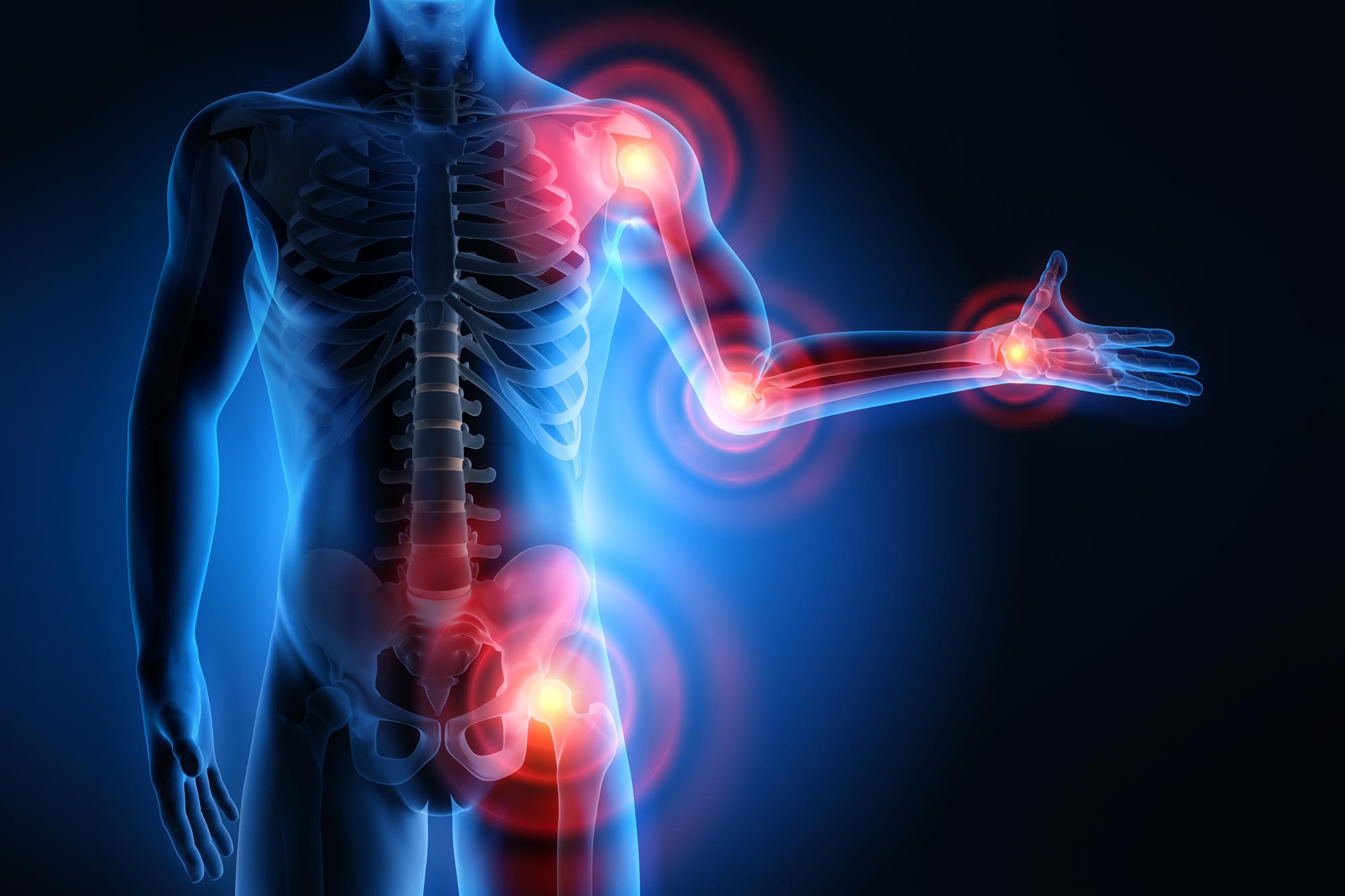
A new study dropped in Regional Anesthesia & Pain Medicine suggests that deficient Vitamin D levels don’t just affect bone health. They might be turning up the dial on pain signals. Specifically for breast cancer patients undergoing radical mastectomies.
Researchers looked at this connection because Vitamin D is already linked to immune regulation and inflammation. If your system is inflamed, everything hurts more. It’s biology 101. And since breast cancer patients often struggle with low levels, the overlap seems obvious.
The Study Details
They didn’t do this in a lab coat fantasyland. It happened at Fayoum University Hospital, in Egypt.
From September 2024 to April 2025, the team tracked 184 patients. All scheduled for one-breast removal.
Here’s the split. Half the women had Vitamin D below 30 nmol/l. The rest were above it. Demographically? Nearly identical. The deficient group averaged 44 years old. The sufficient group was 42. No big deal there.
Crucially, the medical staff didn’t know who had low levels. Blind protocol. The care was standard. Same prep, same surgery, same post-op meds.
Pain management relied on a combo of fentanyl during the cut, then paracetamol IV every eight hours afterwards. But here is where it got interesting. Patients got a button. Tramadol. They pressed it if it hurt. They controlled the opioid flow.
More Pain. More Pills.
The results came back hard and fast.
Vitamin D-deficient patients were three times more likely to report moderate-to-severe pain in the first 24 hours.
Now, nobody hit the “7 and up” terror zone on the pain scale. Zero patients did. The difference wasn’t agony. It was that stubborn, nagging moderate pain (levels 4-6) that won’t quit.
They also needed more drugs to cover it.
During surgery? A tiny jump. The deficient group took an extra 8 μg of fentanyl. The authors called this “modest.” You could almost ignore it.
Post-op? That gap widened into a canyon.
Deficient patients averaged 112mg more tramadol than the healthy-level group. Keep in mind, these patients controlled the dosing. They pressed the button because they hurt more. Or they just have a lower tolerance. The correlation holds either way.
“Vitamin D deficiency is associated… increased opioid consumption”
Side effects followed the pain. Nausea? Higher in the deficient group. Vomiting? Only seen in the deficient cohort, though the numbers weren’t statistically significant. Still. One group threw up. The other didn’t.
Why It Might Matter
We aren’t talking about just feeling better. We are talking about reducing opioid load.
More opioids mean more side effects. Drowsiness, confusion, the potential for dependency. It’s a slippery slope no one wants after surviving cancer.
If bumping Vitamin D before surgery reduces that tramadol need by over 100 milligrams? That’s significant. It could change recovery trajectories.
But hold your horses.
This study had holes. Big ones. It was observational, not a clinical trial. One hospital. Single site. It cannot prove cause. Maybe the pain causes low Vitamin D? Maybe they share a root cause we aren’t measuring.
The researchers didn’t check inflammatory markers. They ignored anxiety, depression, sleep quality, or cancer stage. All huge confounding variables. If you are terrified before surgery, your pain thresholds drop. Vitamin D wouldn’t fix the fear.
Still, the authors think it’s promising. They suggest preoperative supplements for those under 30 nmol/L might help modulate that pain response.
Should you start popping gummies before your next big procedure? Ask your doctor. Don’t self-medicate. But perhaps it’s worth getting a blood test.
You might be starving for sunlight. And paying for it in pain meds.
Reference: Association between preoperative Vitamin D level and postoperative pain… Regional Anesthesia & Pain Medicine (May 19, 2026).