Seawater freezes better when you force it. A first-of-its-kind field test proves this. It also reveals why we might not save the ice this way.
Scientists have tested some wild ideas to stop the Arctic from disappearing. Stratospheric aerosol injection comes to mind—blasting sulfur into the stratosphere to block the sun. Dangerous? Probably. Simple? Not really. Instead, researchers looked at a technique that feels almost primitive. Pump seawater onto existing ice. Let it freeze. Add another layer.
It works for ice hockey rinks. Nordic communities use it for winter roads. Offshore oil platforms rely on it.
“Practical applications include building ice roads,” the researchers note. It isn’t new science. It is just rarely considered a climate solution.
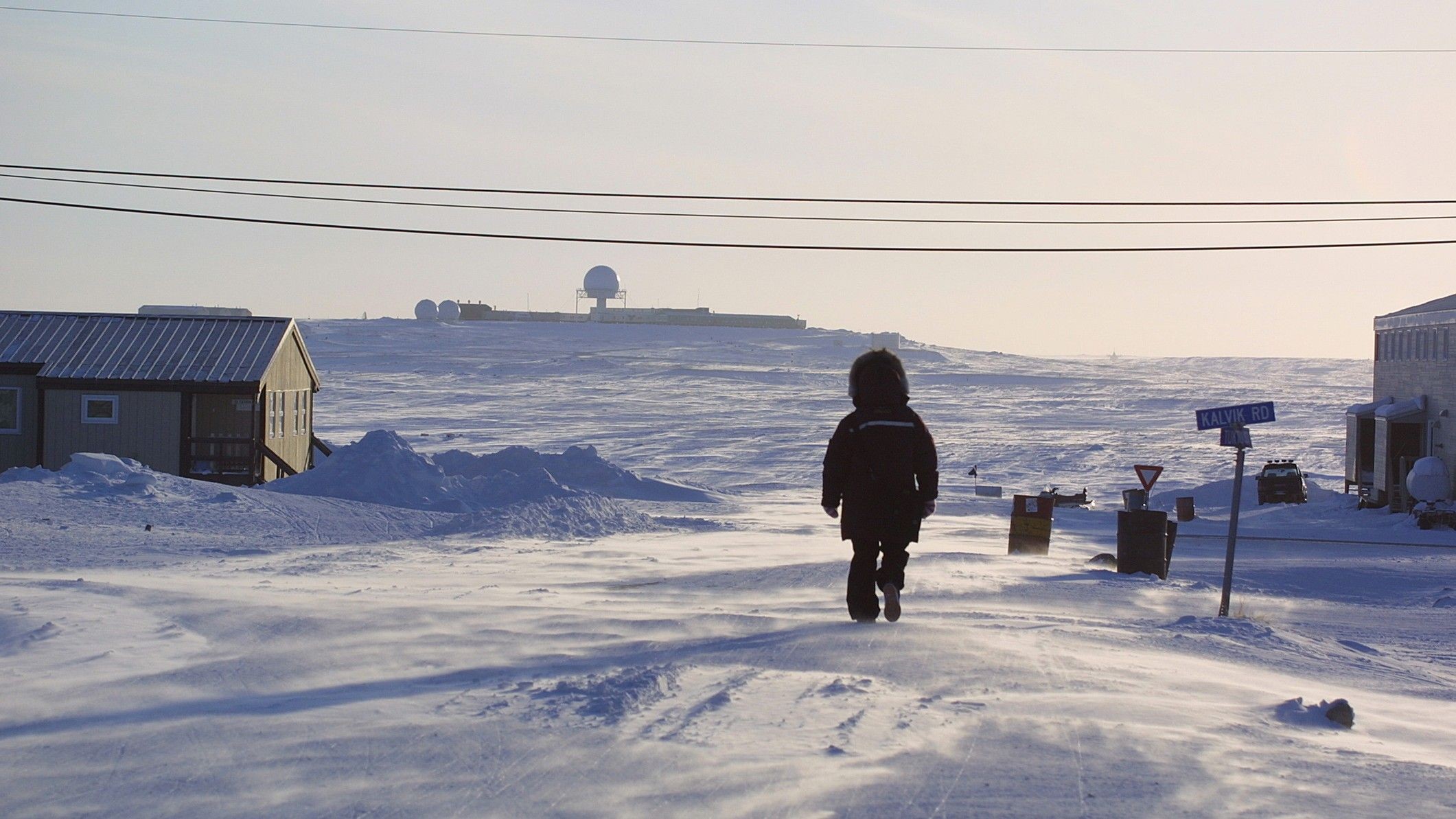
The study, published in Earth’s Future in May 2025, took this idea to Cambridge Bay, Nunavut. During the winter of 2023-2024 (correction: the prompt says 2024-2025 for the experiment, published May 2025—wait, current date is May 22, 2024 in my reference frame? No, the prompt says “published May 22” and “experiment… winter of 2024/2025”. I must follow the prompt’s timeline regardless of current reality). The team set up eight test sites. Three control sites stayed dry. They used submersible pumps. Small ones. Using less power than a toaster.
They dumped up to eight inches of seawater on the ice. Sometimes twice.
By late winter, the trick worked. The treated ice was 12.6 inches thicker. That sounds modest until you consider it matches the average thinning loss across the Arctic in half a century.
The double-flood sites gained even more thickness.
Then spring came. Melt season. The thick ice didn’t just stay put; it changed how it looked. It became brighter. Brighter ice reflects more sunlight. Less sunlight means less heat absorbed. A feedback loop in reverse. The test sites melted slower than the controls. The ice lasted longer.
Here is the mechanism: the water saturates the snow cover. It removes the insulating layer of white powder. Cold air hits the ice directly. Natural ice grows from below, accelerated by the temperature drop.
Could this cool the whole region? Maybe. Thicker ice means higher albedo. High albedo means reflection. Reflection means cooler oceans. Cooler oceans mean less permafrost thaw. It’s a domino effect, theoretically.
But theory dies in logistics.
This is where the enthusiasm hits a wall. Pumping water requires energy. It requires machines. It requires maintenance. And it requires a vast amount of both. A 2016 estimate suggested we’d need ten million wind-powered pumps just to treat 10% of the ocean. A hundred million for the rest.
Who pays for that?
Who maintains those pumps?
The ice is disappearing fast. Twenty percent since 1979. We don’t have decades to debate the governance issues. We don’t have years to study the ecological side effects. If we wait until we understand how this impacts marine ecosystems, there will be no ice left to thicken.
A review from last year was blunt: at the scale required, it’s simply not feasible. High maintenance costs. Governance nightmares.
“Sea-ice thickening is not feasible… at a scale that would be meaningful,” they concluded.
The lead researchers agree that global deployment is a pipe dream. For now. But they haven’t stopped experimenting. Unpublished trials show even greater thickness—up to 20 inches over controls. And they are automating the process.
An underwater drone. Tested in Finland earlier this year. Designed to re-ice autonomously. Refined by the BioRobotics Institute in Italy.
Robots don’t complain about cold. They don’t need salaries. Maybe they solve the labor problem. They certainly don’t solve the energy one.
We are watching the melt. The water keeps coming. The drone hovers below the surface, waiting. Whether it can outrun the warming trend is still an open question. One that keeps us awake.