Archaeologists usually spend their days kneeling in mud. Scraping potsherds with toothbrushes. Piecing together bone fragments under harsh lights. It is painstaking. It is slow. Sam Kean calls it tedious.
He prefers the smell of the past.
Kean writes about experimental archaeology. This field ignores the dirt for a moment to reconstruct sights. Sounds. Smells. Tastes. It brings lost civilizations back to life through action rather than observation. His book Dinner with King Tut: How Rogue Archaeologists Are Re-Creating the Sights, Sounds, Smell, and Tastes of Lost civilizations explores this sensory world.
He knapped stone like early humans. He baked King Tut’s sourdough. He styled Roman hair. The book made The New Yorker’s best of 2025 list. It also became a finalist for the 20026 PEN/E.O. Wilson Literary Science Writing Award.
“You can smell the past.”
Flinging stones
Kean admits he loves the big questions archaeology raises. Who are we? How did we spread? But the actual work bored him. Experimental archaeology felt different. Alive.
His research involved immersion. He spent a day in Utah building a trebuchet. A giant medieval catapult. About forty feet tall. They loaded it with garden stones. They aimed at a palisade fort. Then they pulled the trigger.
Wood splintered. Stone flew.
Kean compared it to a dragon coming alive. Most of the book involves him failing. Flailing. Making mistakes. Learning through failure often works better than getting it right immediately. The catapult was rare. Everything worked that day.
The controversial body
Some experiments raise eyebrows.
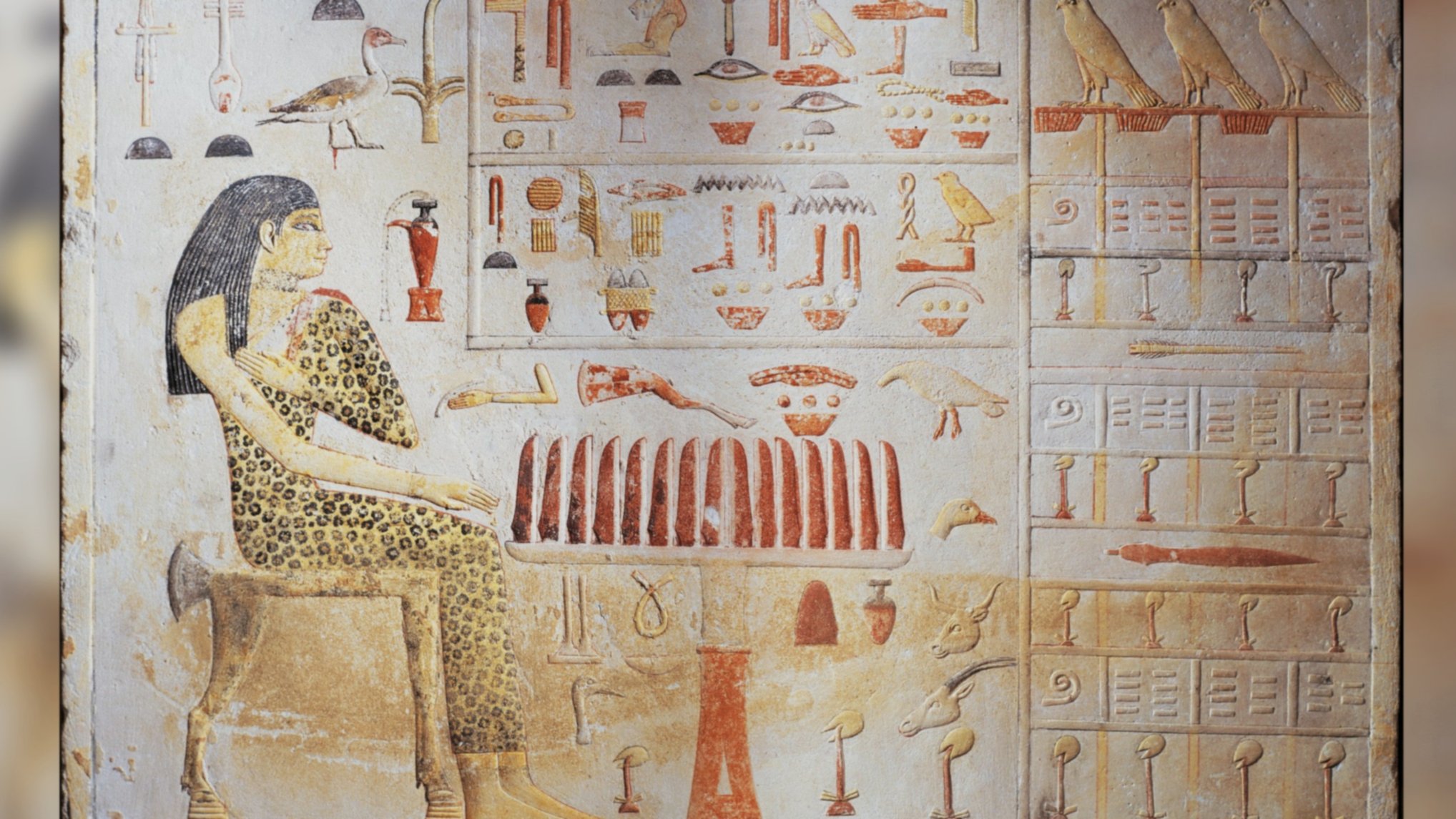
Kean discusses modern mummification. Most people think Egyptians only mummified humans. Wrong. They mummified animals too. A single grave site held four million bird mummies. Archaeologists often test methods on animals because no detailed records exist. Was it a guild secret? Lost to time?
But human mummies draw the crowds.
In the 1990s, two men proved it was possible to create one from scratch. Bob Brier. An Egyptologist. And Ronn Wade. Head of the Maryland state anatomy board. Wade decided where donated bodies went. He chose a 76-year-old Baltimore man. Heart attack victim. Anonymous.
They flew to Egypt. Bought mineral natron. Hired artisans to make authentic tools.
Ethicists cried foul. Donors gave bodies to science. Not to become monsters. Some called it horrifying. Others claimed no scientific value. Kean disagrees.
“People said that when you donate your body toscience, that’s not a blanket check to do whatever they want.”
Sharp obsidian. Tight skin.
The project revealed surprising facts.
Archaeologists find both copper and obsidian blades with mummies. Copper should be stronger. Logic dictates it. Logic failed them.
The copper tools dulled quickly. They struggled through abdominal skin. Obsidian? Volcanic glass. Incredibly sharp. It sliced clean through. This insight comes from doing the work. Not just reading about it.
Bob Brier also wanted to answer a visual mystery. Mummies look shriveled. Teeth retract. Foreheads tighten. Is it the desert climate? Three thousand years of drying out?
No. The process causes it.
After five weeks. Before the desert could finish its job. The body already looked like Ramesses the Great.
Mummifying a fish
Did Kean touch a corpse? No. He did something safer. He mummified a fish.
It is easy. Natron does the work. A mixture of salt and baking soda. Wrap the fish. Rub in oils. Add spells if you feel fancy. The chemistry handles the rest.
He still keeps it. On his shelf. A little memento. He collected other souvenirs too. Stone tools he made. An ostrich egg he opened and ate. Tapa cloth from Polynesia.
Time travel through fiction
Dinner with King Tut uses a unusual structure. Fictional narratives grounded in hard fact. Kean calls them time machines.
Experimental archaeology handles the physical. Food. Tools. Construction. It cannot capture religion. Spiritual beliefs. Fear of the supernatural. Fiction bridges that gap. Readers wake up in another era. They eat the food. They feel the world.
Will Kean write more about this? Possibly. Ancient Greece is left out. Sub-Saharan Africa has only one chapter. There is plenty left to explore. Traditional archaeologists are warming to these methods. They might run a single experiment on their dig sites now. It helps.
Kean’s next book arrives in 2026. The Museum of Lost Things. It covers legendary treasures and mythical creatures that vanished from history.
You don’t need a PhD to start. Gather some acorns. Try to roast them. Find a Roman recipe. Make the bread. The past is waiting. You just have to get your hands dirty. 🏺